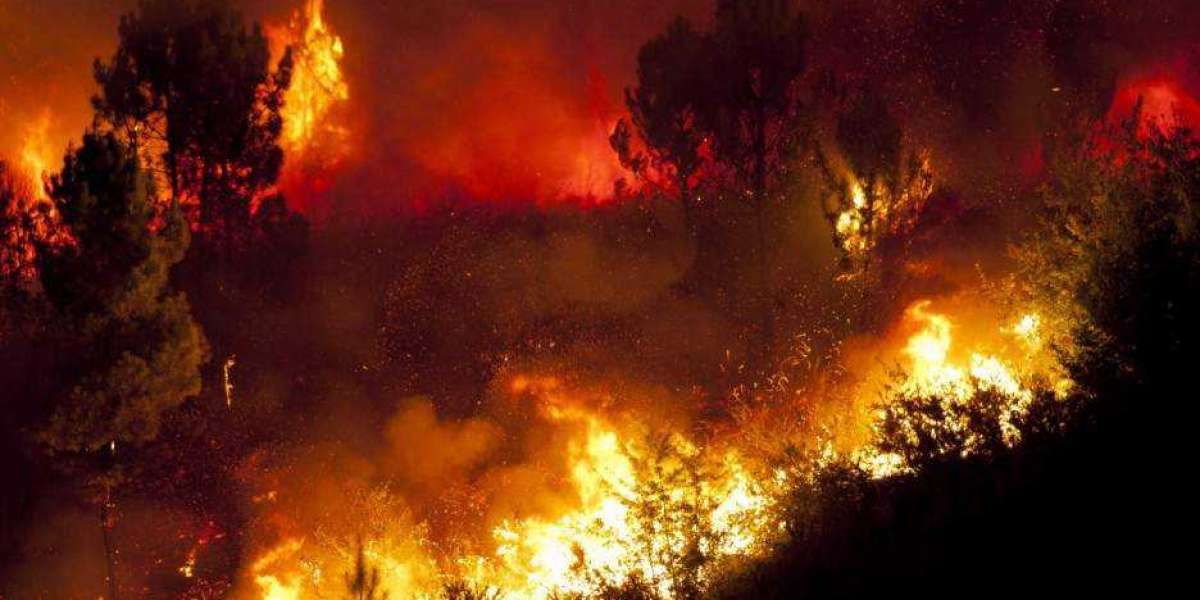

Flying embers, dry vegetation, and poorly planned gardens can turn an otherwise well-built property into an easy target. That’s why bushfire safe landscaping has become one of the most powerful and practical ways Australians can protect their homes.
More than just a compliance measure, bushfire safe landscaping is a strategic design approach that reduces fire intensity, limits fuel, and creates safer conditions for occupants and firefighters alike. Best of all, it can be achieved without sacrificing the beauty or functionality of your outdoor spaces.
What Is Bushfire Safe Landscaping?
Bushfire safe landscaping is the deliberate planning and management of outdoor areas to minimise bushfire risk. It aims to reduce combustible material near buildings and interrupt the pathways fire uses to spread.
Key objectives include:
Lowering fuel loads around structures
Reducing radiant heat exposure
Limiting direct flame contact
Preventing embers from igniting gardens and buildings
Supporting safe access for emergency services
Unlike conventional landscaping, fire-safe design prioritises safety first, with aesthetics integrated into the overall strategy rather than driving it.
Why Bushfire Safe Landscaping Is Essential in Australia
Australia’s natural environment is highly fire-prone. Hot summers, prolonged droughts, strong winds, and flammable vegetation combine to create extreme bushfire conditions. Homes located near bushland, grassland, or rural areas are especially vulnerable.
Studies supported by CSIRO indicate that properties with managed vegetation and adequate defendable space have a far higher chance of surviving bushfires than those without.
Bushfire safe landscaping helps:
Reduce the likelihood of ignition
Increase building survivability
Improve evacuation safety
Support compliance with planning and BAL requirements
Lower long-term risk to people and assets
It is one of the most practical and cost-effective fire mitigation measures available to property owners.
Defendable Space: The Foundation of Fire Safety
Defendable space is the area between a structure and surrounding vegetation that is specifically managed to reduce fire behaviour.
This space allows:
Reduced flame intensity
Slower fire spread
Safer conditions for occupants and firefighters
Defendable space is often planned in zones, with stricter controls closest to the building. The closer vegetation is to a structure, the more carefully it must be managed.
Creating and maintaining defendable space is the cornerstone of effective bushfire safe landscaping.
Plant Selection and Fire Risk
Plants vary greatly in how they respond to fire. Some species ignite easily and burn intensely, while others resist ignition and burn slowly.
Bushfire safe landscaping favours plants that:
Retain moisture in leaves
Produce minimal dry leaf litter
Are low in oils and resins
Grow slowly and predictably
Are easy to maintain
Plant placement is just as important as plant type. Even low-flammability plants can become hazardous if planted densely or allowed to overgrow.
Spacing and Vertical Separation
Fire spreads quickly when vegetation forms continuous layers. This is known as ladder fuel, where fire moves from ground cover to shrubs and then into tree canopies.
Effective bushfire safe landscaping avoids this by:
Separating ground cover from shrubs
Maintaining clear space beneath tree canopies
Spacing plants to prevent continuous fuel paths
Preventing vegetation from touching buildings
Proper spacing significantly reduces the speed and intensity of fire.
Hardscaping as a Fire Mitigation Tool
Hardscaping refers to non-combustible landscape elements such as paving, stone, concrete, and gravel. These materials play a vital role in bushfire safe landscaping.
Hardscaping:
Reduces fuel loads near buildings
Acts as a fire break
Limits radiant heat transfer
Improves access around structures
Paths, driveways, patios, and retaining walls can all be designed to contribute to fire safety while enhancing usability and appearance.
The Importance of Ongoing Maintenance
A well-designed landscape can quickly become dangerous if it is not properly maintained.
Bushfire safe landscaping requires regular upkeep, including:
Pruning trees and shrubs
Removing dead or dying vegetation
Keeping grass short
Clearing leaf litter and debris
Ensuring vegetation does not encroach on structures
Maintenance should be increased during fire season, when dry conditions significantly elevate risk.
Designing for Site-Specific Conditions
No two properties face the same bushfire risk. Effective bushfire safe landscaping must consider site-specific factors such as:
Slope and elevation
Prevailing wind direction
Surrounding vegetation
Soil type and drainage
Proximity to bushland or grassland
Landscapes on slopes, for example, require additional spacing and fuel reduction because fire travels uphill more rapidly.
Professional assessment ensures that landscaping strategies align with the unique characteristics of each site.
Common Landscaping Choices That Increase Fire Risk
Many properties unknowingly increase their vulnerability to bushfire through poor design or maintenance choices.
High-risk practices include:
Dense plantings close to buildings
Unmanaged mulch beds
Overhanging tree branches
Accumulated garden waste
Timber features without fire-resistant treatment
Bushfire safe landscaping focuses on identifying and removing these risks before they become a threat.
Professional Bushfire Safe Landscaping
While some maintenance tasks can be handled by property owners, designing a compliant and effective bushfire safe landscape often requires professional expertise.
Professional services provide:
Risk-based site assessments
Landscaping aligned with BAL requirements
Appropriate plant and material selection
Compliance with local planning controls
Long-term management strategies
This is particularly important for properties in high-risk bushfire zones or those undergoing new development.
Conclusion
Bushfires are a natural part of Australia’s environment, but the damage they cause can be significantly reduced through thoughtful planning and design.
Bushfire safe landscaping transforms outdoor spaces into an active defence system. By managing vegetation, selecting appropriate plants, incorporating hardscaping, and maintaining defendable space, property owners can dramatically lower bushfire risk.
Rather than compromising outdoor living, bushfire safe landscaping creates safer, more resilient environments that protect homes, people, and communities.