
Introduction
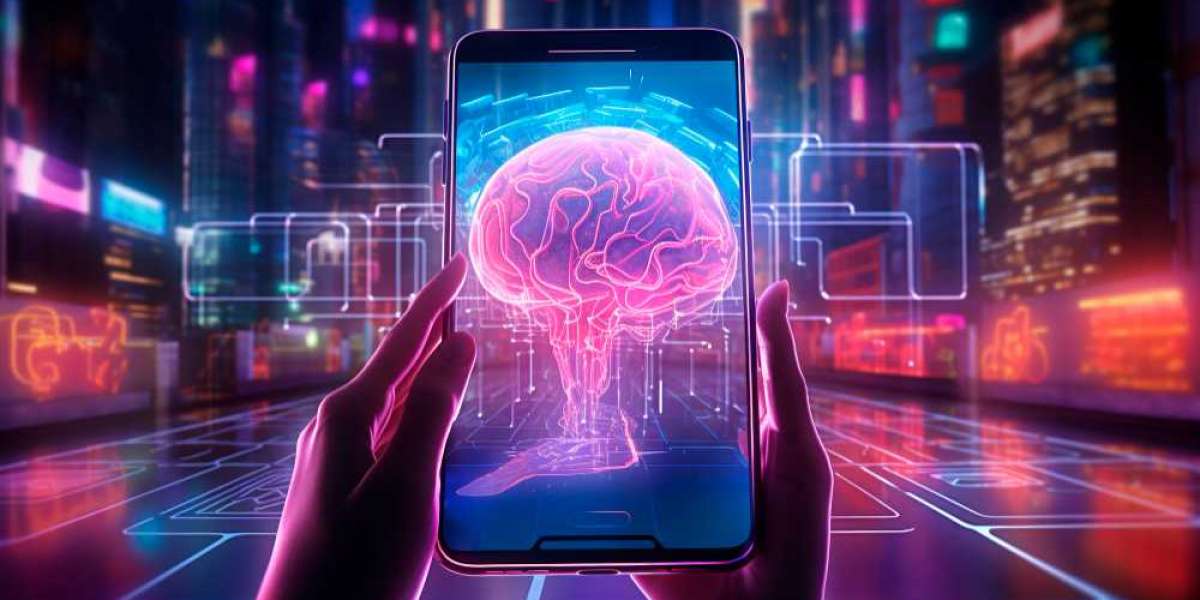
What if you could control a mobile app using only your thoughts? No tapping, no swiping—just thinking. It may sound unbelievable, but Brain-Computer Interfaces (BCIs) are turning this idea into reality. Once limited to research labs and medical studies, BCIs are now moving closer to everyday technology, including mobile apps. Like a direct conversation between the brain and a device, this technology is opening a whole new chapter in mobile app development.
What Is a Brain-Computer Interface in Simple Terms
A Brain-Computer Interface is a system that allows communication between the human brain and a digital device. It reads brain signals, translates them into commands, and sends them to software such as a mobile app. Think of it as a translator that converts thoughts into actions.
Why BCIs Matter for Mobile App Development
Mobile apps have always depended on physical input—touch, voice, or gestures. BCIs remove that barrier. By allowing apps to respond directly to brain signals, developers can create experiences that are faster, more natural, and more inclusive. This shift is as revolutionary as the move from keyboards to touchscreens.
How Brain Signals Are Used in Mobile Apps
BCI systems use sensors to detect electrical signals in the brain. These signals are processed and interpreted by software, then turned into commands. When integrated with mobile apps, users can perform tasks like selecting options, navigating menus, or triggering actions without touching the screen.
BCIs and Accessibility in Mobile Apps
One of the most powerful benefits of BCIs is accessibility. People with physical disabilities may struggle to use traditional mobile interfaces. BCI-enabled apps offer them independence by allowing interaction through thought alone. This makes mobile technology more inclusive than ever before.
Healthcare Applications of BCI Mobile Apps
Healthcare is leading the adoption of BCIs. Mobile apps connected to BCIs can help with rehabilitation, mental health monitoring, and neurological therapy. For example, patients recovering from strokes can use brain-controlled apps to support therapy and track progress from home.
BCIs in Mental Health and Wellness Apps
BCI-powered wellness apps can monitor stress, focus, and emotional states. Imagine an app that adjusts meditation sessions based on your brain activity or helps manage anxiety by detecting early signs of stress. These apps act like digital wellness coaches that truly understand the user.
Gaming and Entertainment Through Thought Control
Gaming becomes incredibly immersive with BCIs. Players can control characters or environments using their thoughts, creating a deeper connection with the game. It’s like moving from a remote control to mind control—more engaging and more personal.
Productivity and Focus Apps Using BCIs
BCIs can help users stay focused and productive. Apps can detect when attention drops and adjust tasks or reminders accordingly. This makes productivity tools smarter and more responsive to real human behavior.
Challenges in Integrating BCIs With Mobile Apps
Despite their promise, BCIs come with challenges. Brain signals are complex and vary from person to person. Developers must ensure accuracy, comfort, and reliability while keeping apps easy to use. Battery usage and data processing are also key concerns.
Privacy and Ethical Considerations
Brain data is deeply personal. Protecting this information is critical. Developers must follow strict privacy standards and ensure users have full control over their data. Trust will be the foundation of successful BCI-powered mobile apps.
Why Expert Developers Are Essential for BCI Apps
BCI integration requires expertise in neuroscience, data processing, and mobile development. Partnering with a top mobile app development company USA ensures access to multidisciplinary teams who can handle this complexity responsibly and effectively.
Business Opportunities With BCI-Enabled Mobile Apps
Businesses that adopt BCIs early gain a competitive edge. From healthcare and fitness to gaming and education, BCI-powered apps open new markets and revenue streams. Early movers can position themselves as innovation leaders.
Choosing the Right Development Partner
A reliable development partner helps navigate technical challenges, security requirements, and user experience design. A top mobile app development company USA focuses on scalable solutions and long-term success, not just experimentation.
The Future of Brain-Computer Interfaces in Mobile Apps
BCIs are still evolving, but progress is rapid. As technology becomes more affordable and accurate, BCI-enabled mobile apps will move from niche use cases to mainstream adoption. The future points toward seamless interaction between humans and digital systems.
Conclusion
Brain-Computer Interfaces are redefining how humans interact with mobile apps. By removing physical barriers and enabling thought-based control, BCIs create more inclusive, immersive, and intelligent experiences. While challenges remain, the opportunities are vast. With the guidance of a top mobile app development company USA, businesses can confidently explore this groundbreaking technology and shape the future of mobile interaction.
FAQs
- What is a Brain-Computer Interface?
A BCI allows communication between the human brain and a digital device using brain signals. - Can BCIs really work with mobile apps?
Yes, BCIs can integrate with mobile apps to enable thought-based interactions. - Are BCI mobile apps safe to use?
When developed properly with strong security and privacy measures, they are safe. - Which industries benefit most from BCI mobile apps?
Healthcare, gaming, wellness, accessibility, and productivity industries benefit greatly. - Why partner with a top mobile app development company USA for BCI apps?
They offer technical expertise, ethical development practices, and scalable solutions.








