

In the ever-evolving landscape of renewable energy, the materials we choose play a crucial role in the efficiency and sustainability of projects. One such material gaining traction is copper clad wire. Known for its unique properties, copper clad wire combines the excellent conductivity of copper with the strength and lightweight characteristics of other metals, making it an ideal candidate for various renewable energy applications. This article delves into the advantages of using copper clad wires in renewable energy projects, exploring their effectiveness, cost-efficiency, and environmental benefits.
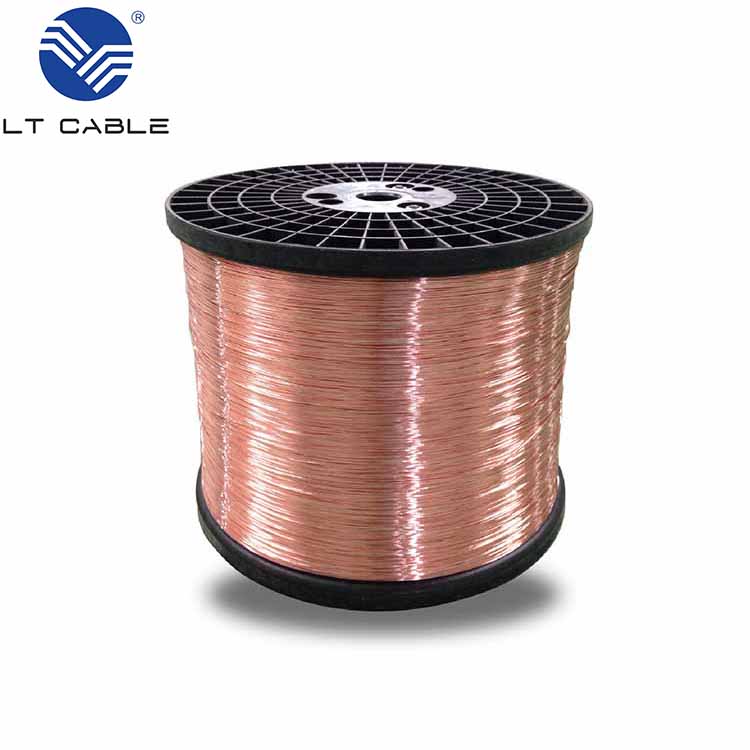
The Superior Conductivity of Copper Clad Wires
At the heart of any renewable energy system is the need for efficient electrical conductivity. Copper clad wires offer superior conductivity compared to many alternatives, ensuring minimal energy loss during transmission. This is particularly important in solar and wind energy systems, where maximizing energy output is essential. The copper layer in copper clad wire ensures that electricity flows with minimal resistance, enhancing the overall performance of renewable energy installations.
Cost-Effectiveness in Renewable Energy Projects
Cost is a significant factor when selecting materials for renewable energy projects. Copper clad wires provide an economical solution without compromising quality. By using a copper layer over a less expensive core material, these wires offer the benefits of copper at a reduced cost, making them an attractive option for budget-conscious projects. This cost-effectiveness does not only apply to the initial investment but also extends to long-term savings through improved efficiency and durability, which are essential for the longevity of renewable energy systems.
Environmental Benefits of Copper Clad Wires
Sustainability is a core principle of renewable energy, and copper clad wires align perfectly with this ethos. The production of copper clad wires typically involves less energy compared to pure copper wires, reducing the carbon footprint associated with manufacturing. Additionally, the durability of copper clad wires means they require less frequent replacement, further diminishing environmental impact. By choosing copper clad wires, projects can not only enhance their efficiency but also contribute positively to environmental conservation efforts.
Copper clad wires are incredibly versatile, making them suitable for a wide range of renewable energy applications. From solar panels to wind turbines and energy storage systems, their adaptability allows for integration into various designs and configurations. This versatility ensures that renewable energy projects can achieve optimal performance regardless of the specific requirements or challenges they face. The ability to customize copper clad wires for different applications further enhances their appeal in the renewable energy sector.
In conclusion, copper clad wires represent an excellent choice for renewable energy projects, combining superior conductivity, cost-effectiveness, environmental benefits, and versatility. As the demand for sustainable energy solutions continues to grow, incorporating copper clad wires can significantly enhance the efficiency and reliability of renewable energy systems. By making informed material choices, project developers can ensure that their initiatives not only meet current energy demands but also contribute to a more sustainable future.








