In the ever-evolving world of fashion design, one element stands out for its versatility and creative potential: printed fabric. This unique material not only enhances the aesthetic appeal of garments but also allows designers to express their artistic vision in vibrant ways. As the fashion industry continues to embrace innovation, understanding the benefits of printed fabric becomes essential for both designers and consumers alike.
Vibrant Aesthetics and Unique Designs
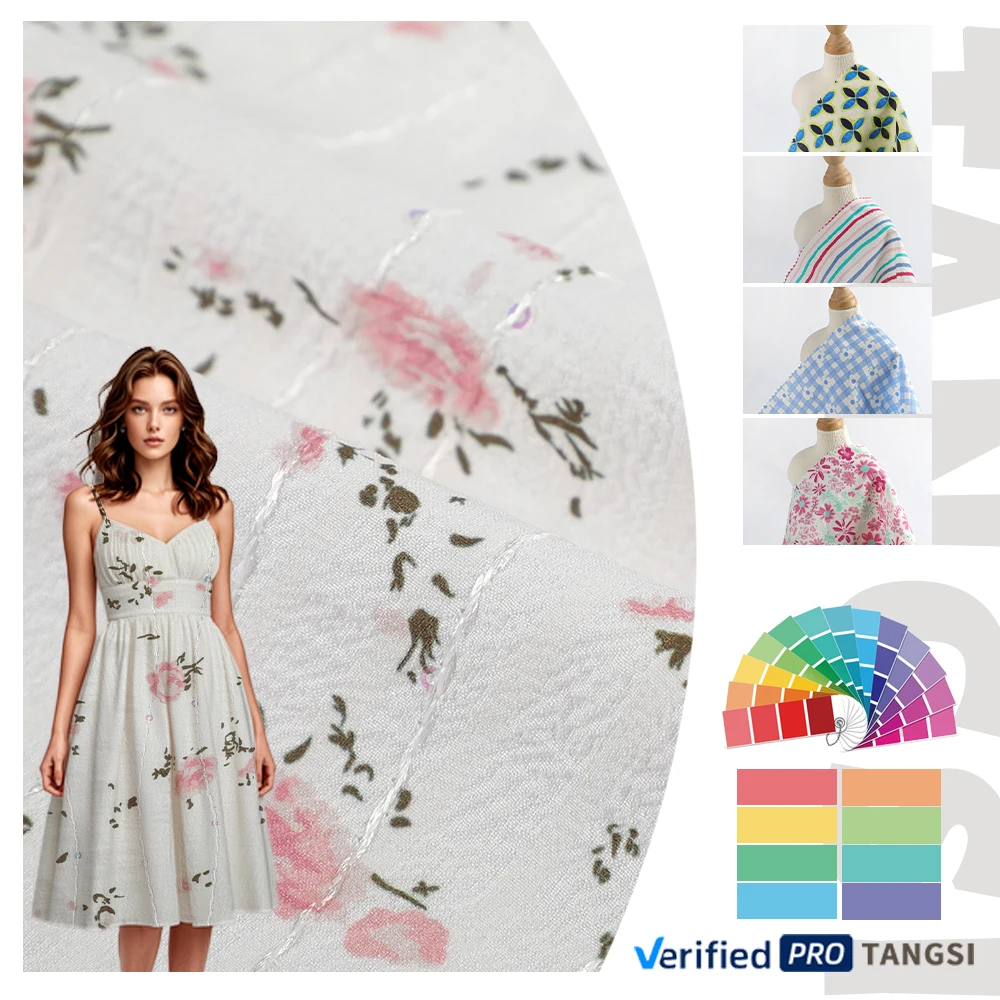
Printed fabric offers a canvas for creativity, allowing designers to experiment with a multitude of colors, patterns, and textures. Unlike solid fabrics, printed options can showcase intricate designs that capture the essence of a brand or a seasonal trend. For instance, floral prints can evoke a sense of spring, while geometric patterns may convey a modern, edgy look. This versatility enables fashion designers to create distinctive pieces that stand out in a crowded market. By incorporating printed fabric into their collections, designers can attract a diverse clientele looking for unique and visually appealing garments.
Sustainability and Eco-Friendliness
As sustainability becomes a focal point in fashion, printed fabric can play a pivotal role in promoting eco-friendly practices. Many manufacturers are now utilizing water-based inks and organic materials to produce printed fabrics, reducing the environmental impact of fashion production. Furthermore, the ability to create small batches of printed fabric allows designers to minimize waste, aligning their practices with the growing demand for sustainable fashion. By choosing printed fabric, designers not only enhance their collections but also contribute to a more sustainable fashion industry.
Customization and Personalization
In today’s market, consumers are increasingly seeking personalized experiences. Printed fabric provides an excellent opportunity for customization, allowing designers to cater to individual preferences. Whether it’s a unique pattern or a custom color scheme, the possibilities are endless. This level of personalization not only enhances customer satisfaction but also fosters brand loyalty. By offering bespoke options using printed fabric, designers can create a deeper connection with their clientele, ultimately driving sales and brand recognition.
Versatility Across Various Applications
Printed fabric is not limited to clothing; its versatility extends to accessories, home decor, and more. Designers can utilize printed fabric in a variety of ways, from creating stylish bags and scarves to designing eye-catching upholstery. This multifaceted nature of printed fabric allows designers to expand their product lines and explore new markets. By leveraging printed fabric, fashion designers can diversify their offerings and reach a broader audience, enhancing their overall business potential.
In conclusion, the benefits of using printed fabric in fashion design are manifold. From enabling vibrant aesthetics and supporting sustainability to offering customization options and versatility across applications, printed fabric stands as a cornerstone of modern fashion design. As designers continue to push the boundaries of creativity, embracing printed fabric will undoubtedly pave the way for innovative and impactful fashion collections.