In the realm of orthopedic surgery, the evolution of surgical tools has significantly transformed patient outcomes and recovery processes. Among these advancements, modern humeral nails have emerged as a pivotal innovation in the treatment of humeral fractures. Their design and functionality not only enhance surgical efficiency but also improve the overall patient experience, making them a focal point in contemporary surgical practices.
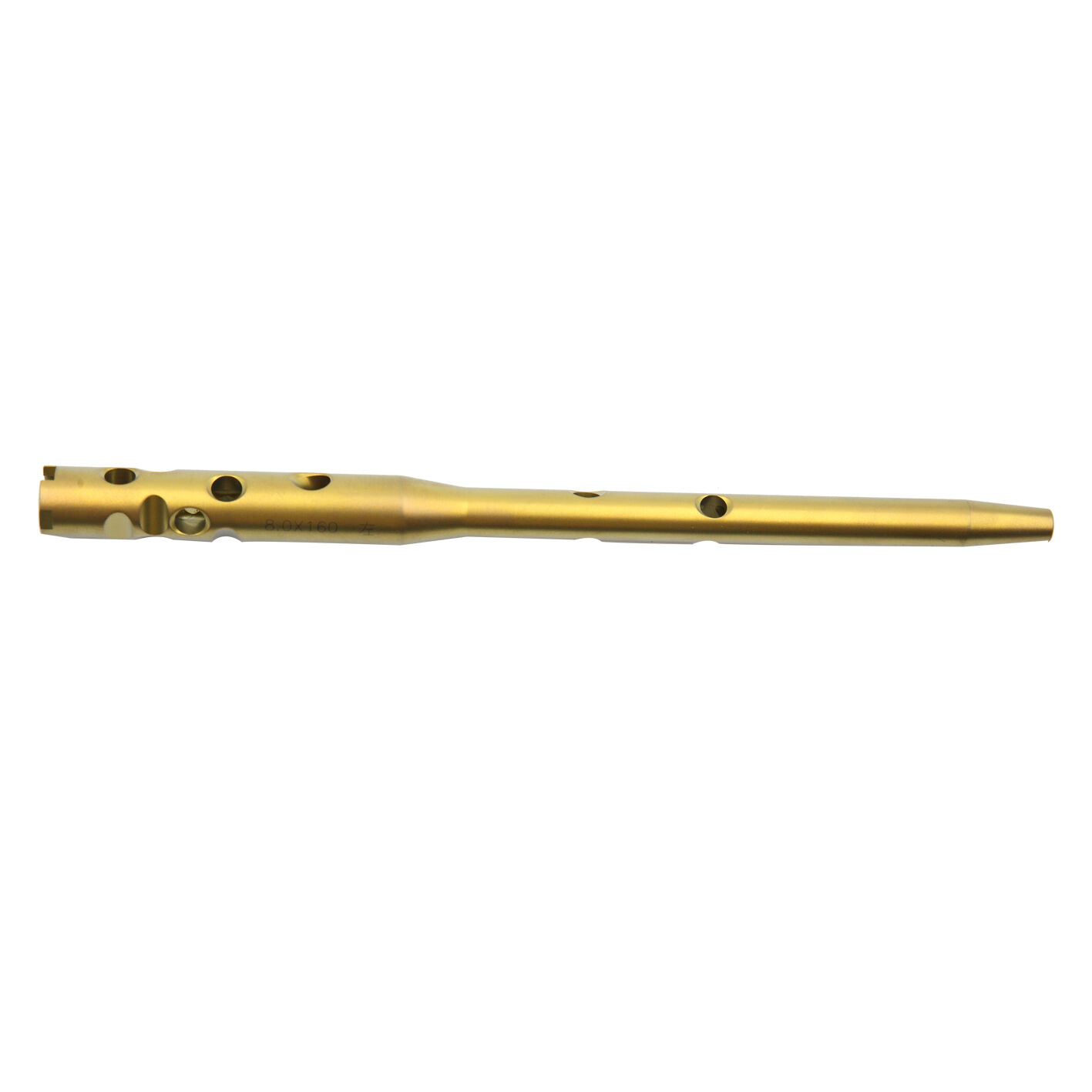
Enhanced Biomechanical Stability
Modern humeral nails are engineered to provide superior biomechanical stability during the healing process. Unlike traditional methods, these nails feature advanced locking mechanisms that secure the bone fragments in place, reducing the risk of malunion or nonunion. This stability is crucial for patients, as it allows for early mobilization and rehabilitation, ultimately leading to faster recovery times. Surgeons appreciate the confidence these nails instill, knowing they can rely on their structural integrity during the healing phase.
One of the most significant advantages of modern humeral nails is their compatibility with minimally invasive surgical techniques. Surgeons can now perform operations with smaller incisions, which not only reduces tissue damage but also minimizes postoperative pain and scarring. This aspect is particularly appealing to patients who prioritize cosmetic outcomes alongside functional recovery. As a result, modern humeral nails are becoming the preferred choice for orthopedic surgeons aiming to enhance patient satisfaction and expedite recovery.
Adaptability to Various Fracture Patterns
Modern humeral nails are designed with versatility in mind, accommodating a wide range of fracture patterns. Whether dealing with simple or complex fractures, these nails can be adapted to suit the specific needs of each patient. This adaptability ensures that surgeons can effectively address the unique challenges posed by different fracture types, leading to improved surgical outcomes. Furthermore, the availability of various sizes and configurations allows for tailored solutions that enhance the overall efficacy of humeral nail procedures.
The ultimate goal of any surgical intervention is to improve patient outcomes, and modern humeral nails excel in this regard. Studies have shown that patients treated with these innovative nails experience lower rates of complications and higher levels of satisfaction. The combination of enhanced stability, minimally invasive techniques, and adaptability contributes to quicker recovery and better overall functional results. As a result, orthopedic surgeons are increasingly recommending modern humeral nails as the gold standard for treating humeral fractures.
In conclusion, modern humeral nails stand out in surgery due to their innovative design, enhanced stability, and adaptability to various fracture patterns. Their ability to facilitate minimally invasive techniques further underscores their significance in contemporary orthopedic practices. As the field of surgery continues to evolve, the role of modern humeral nails in improving patient outcomes and satisfaction cannot be overstated. Surgeons and patients alike can benefit from the advancements these nails offer, making them a vital component of modern surgical solutions.