
When it comes to demanding driving conditions—whether climbing steep trails, traversing uneven terrain, or hauling heavy loads over long distances—the transmission is one of the most important components in your drivetrain. For many serious drivers, the Allison transmission has become synonymous with strength, reliability, and performance in both off-road and towing applications. In this article, we’ll explore how Allison transmissions work, why they’re preferred in tough conditions, what the advantages and limitations are, and what you should consider if you’re thinking about using one for your vehicle.
What Is an Allison Transmission?
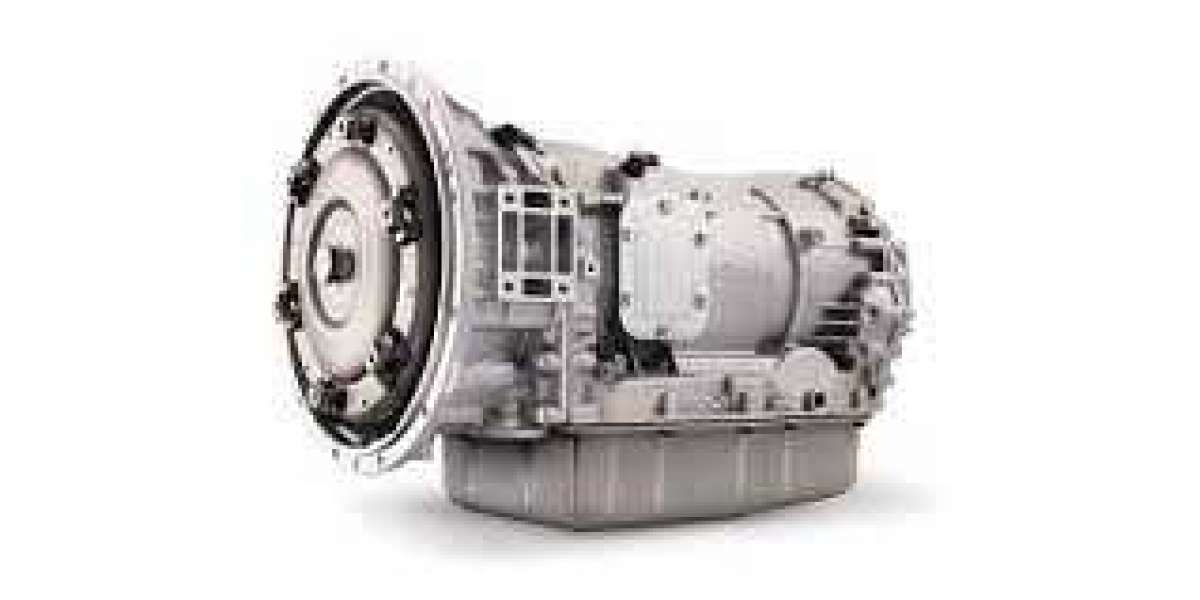
An Allison transmission refers to a family of hydraulic automatic transmissions built by Allison Transmission, a company specializing in heavy-duty automatic gearboxes. While Allison units are common in commercial trucks, buses, military vehicles, and vocational equipment, they’ve also gained popularity among truck enthusiasts, off-roaders, and anyone needing dependable performance under load.
Allison transmissions are known for:
Robust internal components designed for high torque capacity.
Smooth, adaptive shift logic that adjusts to load and terrain.
Integrated torque converters that help manage power delivery under strain.
Some models are 6-speed, others go up to 10 speeds, and they may include advanced electronic controls for improved performance and efficiency.
Why Allison Transmissions Matter in Towing and Off-Road Use
1. Exceptional Heat Management
Towing heavy loads and off-roading both place sustained stress on transmissions. Heat buildup is a major cause of premature wear and failure in standard automatic gearboxes. Allison transmissions are engineered with robust cooling capacity and internal fluid circulation that helps keep temperatures controlled even under extreme stress.
For instance:
When towing up long grades, the torque converter and fluid pathways in an Allison handle heat much better than many standard light-duty units.
In trail conditions where shifting is frequent and unpredictable, Allison’s design mitigates overheating by managing fluid flow effectively.
This doesn’t make them immune to heat — but compared to stock transmissions in many trucks, their thermal durability is a big reason they’re favored for heavy duty work.
2. Strong Torque Capacity and Durability
Allison transmissions are designed from the ground up for high torque loads. The internal clutches, gear sets, and shafts are generally beefier than those in lighter-duty transmissions. That means:
Heavy trailers don’t overwhelm the unit.
Off-road obstacles that require low-speed torque don’t overheat or slip through the transmission.
The overall wear on the unit is more gradual than it would be with a lighter-duty design.
In real terms, this translates to a unit that can tolerate repeated high-load situations without breaking down prematurely.
3. Adaptive Shift Logic for Challenging Conditions
Allison transmissions use advanced electronic controls to determine the optimal shift points based on load, speed, and throttle position. This helps in:
Maintaining engine power where it’s needed (like on steep grades).
Reducing unnecessary shifts that could disrupt traction or control during off-road maneuvers.
Holding gears longer when towing to maximize pulling power without sacrificing efficiency.
This adaptability gives Allison an advantage over basic automatic transmissions that can be slower to respond or less precise under load.
Allison Transmissions in Towing Applications
Towing imposes unique stresses on a transmission. Unlike normal driving, towing heavy weights means:
The transmission often stays in lower gears longer.
There’s more heat from torque converter slip and reduced airflow over the unit.
Downshifts on inclines happen more frequently.
Here’s what makes Allison transmissions stand out in this setting:
Better Thermal Stability
As noted, heat is a top enemy of transmissions. Allison’s robust fluid pathways and torque converter design help maintain acceptable temperatures, reducing the risk of overheating during long uphill pulls or desert runs.
Improved Shift Performance Under Load
Allison units detect when a load is heavy and adjust their shift patterns to reduce “hunting” between gears. This means fewer unnecessary shifts, which translates to less wear and smoother towing.
Higher-Than-Average Torque Ratings
Depending on the version, Allison transmissions can handle significantly more torque than many stock automatic transmissions offered in pickups. That makes them appealing to anyone hauling heavy campers, horse trailers, or heavy equipment.
Long-Term Durability
Because they’re built for commercial use, Allison transmissions often deliver longer life with less frequent rebuilds when compared to stock units that are pushed beyond their intended limits.
Allison Transmissions in Off-Road Use
Off-road driving challenges a transmission in different ways than towing:
You may be crawling at low speeds for extended periods.
You often need quick shifts between forward and reverse.
You may encounter sudden changes in traction.
Allison transmissions help in this context through:
Smooth Low-Speed Power Delivery
The torque converter and gear logic in Allison units enable a smoother delivery of power at low speeds, which helps when navigating tricky terrain like rocks or steep trail obstacles.
Responsive Gear Changes
Because off-roading demands frequent shifts between speeds and directions, Allison’s adaptive electronics help make these transitions less disruptive to traction.
Less Slippage Under Load
Allison’s clutch design helps reduce slippage when climbing or crawling — a big plus for technical trails.
Better Control When Descending
Many Allison transmissions work well with engine braking and often integrate more advanced controls that help maintain steadier downhill speeds without overheating brakes.
Limitations and Considerations
Allison transmissions are powerful, but they’re not a magic fix for every drivetrain issue. Consider the following:
Cost
Allison transmissions are more expensive than many stock automatic units — both upfront and potentially for maintenance. However, for heavy use, the longevity often offsets the cost.
Weight and Complexity
Allison units can be heavier and more complex than simpler transmissions. More complexity means that when issues do arise, servicing may require specialized knowledge.
Vehicle Compatibility
Not every truck or SUV can be easily retrofitted with an Allison transmission. In many trucks, the Allison is a factory-offered option, and that’s the easiest way to get one. Aftermarket swaps can be done, but they’re often involved and require custom programming, driveline adjustments, and cooling upgrades.
Fuel Economy
Because Allison transmissions manage load differently — often holding gears longer and using torque converters more actively — fuel economy in certain conditions can be lower than with some high-gear-count light-duty automatics. However, the tradeoff is usually worth it for capability.
Maintenance and Best Practices
To make the most of an Allison transmission, regular maintenance is essential:
Transmission fluid changes at recommended intervals (sometimes more frequent under heavy towing or off-road use).
Proper cooling systems — including auxiliary coolers if you’re towing heavy frequently.
Monitoring transmission temperature with gauges or built-in vehicle systems.
Avoiding prolonged overheating, which remains a risk for any transmission under extreme load.
Allison units generally react well to proper maintenance and can last hundreds of thousands of miles in tough conditions.
Is an Allison Transmission Right for You?
Choose Allison if:
You tow big trailers, heavy loads, or frequently operate at high capacity.
You’re a commercial user or rely on your vehicle for work and demand dependable performance.
You enjoy off-road driving that stresses the transmission with low-speed torque and frequent shifts.
You want durability and long-term reliability over initial savings.
A Different Transmission Might Be Enough If:
Your towing is light to moderate and well within the limits of your stock transmission.
You rarely go off-road or only do mild trail driving.
Initial cost and simplicity matter most to you.
Final Thoughts
Allison transmissions have earned a strong reputation in both towing and off-road environments for good reasons — they’re robust, adaptable, and engineered to handle the demands that defeat lesser transmissions. While they require an investment in cost and maintenance, their capability under load, heat resistance, and durability make them a top choice for drivers who treat their transmission as a critical partner, not just a component.
Whether you’re hauling heavy loads across long distances or navigating technical trails far from paved roads, an Allison transmission could be one of the most significant upgrades you make to your drivetrain. If you’re considering one, think about how you’ll use your vehicle day-to-day — and choose based on performance where it matters most: under load.








