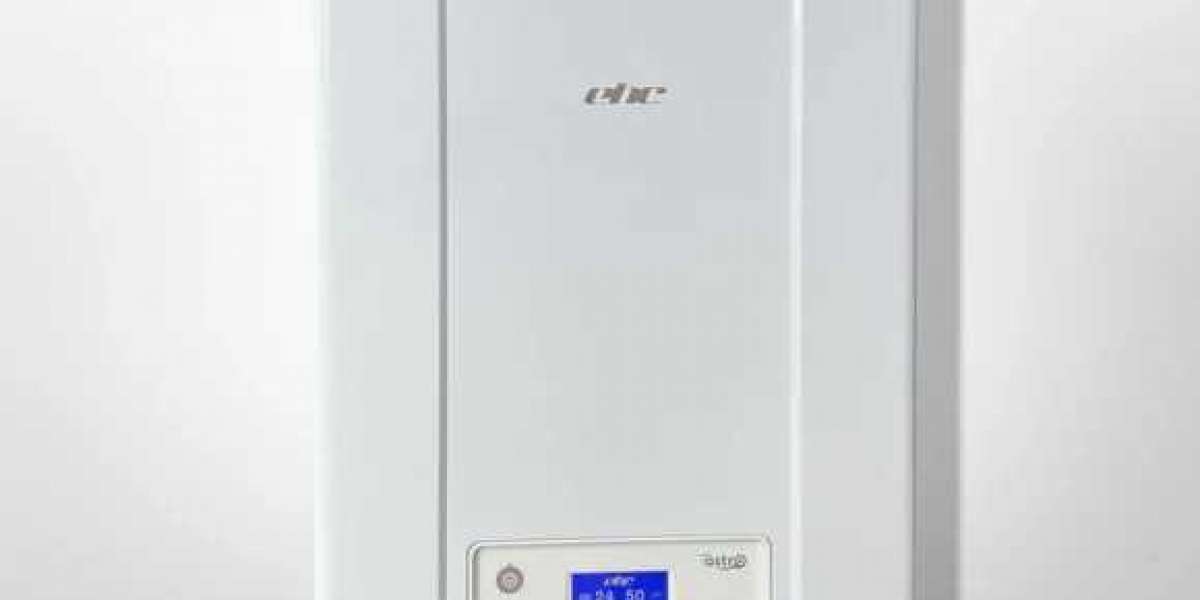

What is an Electric Combi Boiler?
An electric combi boiler, also known as an electric combination boiler, is a compact and efficient system that provides both central heating and instant hot water from a single unit. Unlike traditional boilers that require a separate hot water cylinder, electric combi boilers heat water directly from the mains, ensuring that you have an endless supply of hot water on demand. This feature makes electric combination boilers especially popular in homes with limited space or properties without a loft or airing cupboard.
One of the key advantages of an electric combi boiler is its simplicity. Since there are fewer components compared to conventional gas or oil boilers, installation is straightforward, and maintenance requirements are minimal. Additionally, electric combination boilers are quiet in operation and produce no flue gases, making them an environmentally friendly option for households aiming to reduce their carbon footprint.
Understanding Heat Pumps
Heat pumps work differently from electric combi boilers. Instead of directly heating water using electricity, heat pumps extract heat from the air, ground, or water outside your home and transfer it indoors. This process requires electricity to operate but is generally more energy-efficient than conventional electric heating, as heat pumps can deliver two to three times more heat energy than the electricity they consume.
There are two main types of heat pumps: air source heat pumps (ASHP) and ground source heat pumps (GSHP). ASHPs extract heat from the air, while GSHPs use underground thermal energy. Both systems can provide central heating and, in some cases, hot water. Heat pumps are particularly suitable for larger homes or new builds where underfloor heating or oversized radiators can optimize their performance.
Efficiency and Running Costs
One of the most important considerations when choosing between an electric combi boiler and a heat pump is energy efficiency. Electric combination boilers typically have an efficiency rating of close to 99%, as they convert almost all the electricity they consume directly into heat. This high efficiency makes electric combi boilers an attractive option for smaller properties where instant hot water and reliable central heating are required.
Heat pumps, however, often outperform electric combination boilers in terms of overall energy efficiency. Because they transfer heat rather than generate it directly, heat pumps can offer a coefficient of performance (COP) of 3 or higher, meaning they produce three units of heat for every one unit of electricity used. Over time, this can result in lower running costs, particularly in homes with high heating demands. However, it’s worth noting that the initial installation cost of a heat pump can be significantly higher than an electric combi boiler.
Installation and Space Requirements
Electric combination boilers are highly compact, making them ideal for homes with limited space. They can be installed in kitchens, bathrooms, or utility rooms without the need for a separate hot water cylinder or large flue. This is a significant advantage for apartments, small houses, or properties undergoing renovations where space is at a premium.
Heat pumps, on the other hand, require more space and careful planning for installation. Air source heat pumps need external units that are often larger and require clearance around them for optimal airflow. Ground source heat pumps require underground loops, which can be disruptive to install and need sufficient outdoor space. While heat pumps are ideal for energy-efficient homes with modern heating systems, they may not suit every property, especially older homes with smaller radiators or limited outdoor areas.
Environmental Impact
Both electric combi boilers and heat pumps are cleaner alternatives to traditional gas or oil heating systems, but they differ in environmental impact. Electric combination boilers produce no direct emissions, making them an eco-friendly choice, especially when paired with renewable electricity sources like solar panels or wind energy.
Heat pumps are widely regarded as one of the greenest heating solutions available. By extracting ambient heat from the environment, they reduce reliance on fossil fuels and lower carbon emissions. This makes heat pumps particularly appealing for homeowners committed to sustainability and reducing their ecological footprint.
Maintenance and Lifespan
Maintenance is another factor to consider when deciding between an electric combi boiler and a heat pump. Electric combination boilers require minimal servicing compared to gas boilers, as there are fewer moving parts and no combustion involved. With proper care, a high-quality electric combi boiler can last 15–20 years.
Heat pumps, while generally reliable, require more regular maintenance to ensure efficiency. Components such as compressors and refrigerants need professional checks, and outdoor units may require seasonal cleaning. Despite this, heat pumps also have a long lifespan, typically ranging from 15–25 years with proper upkeep.
Choosing the Right System for Your Home
Deciding between an electric combi boiler and a heat pump ultimately depends on your home’s specific needs. For smaller properties, apartments, or houses with limited installation space, an electric combination boiler offers convenience, instant hot water, and low maintenance requirements. They are straightforward to install, quiet in operation, and compatible with existing electrical systems.
For larger homes, energy-conscious households, or new builds, a heat pump may provide better long-term savings and lower carbon emissions. Although the upfront cost is higher and installation is more complex, the efficiency and environmental benefits of a heat pump can outweigh these initial challenges.
Conclusion
Both electric combi boilers and heat pumps offer reliable and efficient home heating solutions, but each has distinct advantages. Electric combination boilers excel in simplicity, space-saving design, and ease of installation, making them ideal for smaller homes or renovations. Heat pumps offer exceptional energy efficiency and sustainability benefits, making them suitable for larger homes or environmentally conscious households. By carefully considering your property’s size, heating needs, budget, and environmental goals, you can choose the system that provides comfort, efficiency, and long-term value.








