

Introduction
For wine enthusiasts, restaurateurs, and hospitality professionals alike, proper wine storage is essential to preserving flavor, aroma, and overall quality. As wine collections grow and tastes become more refined, many people find themselves choosing between a wine cooler and a wine refrigerator. While these terms are often used interchangeably, they are not exactly the same—and selecting the wrong option can affect how well your wine ages and performs over time.
This detailed guide breaks down the real differences between wine coolers and wine refrigerators, covering performance, design, misconceptions, and future trends. By the end, you’ll have a clear understanding of which option best suits your wine collection and lifestyle.
Understanding Wine Coolers
A wine cooler is typically designed for short- to medium-term wine storage and casual consumption. These units are commonly used in homes, cafés, and bars where wines are frequently opened and replaced rather than aged for years.

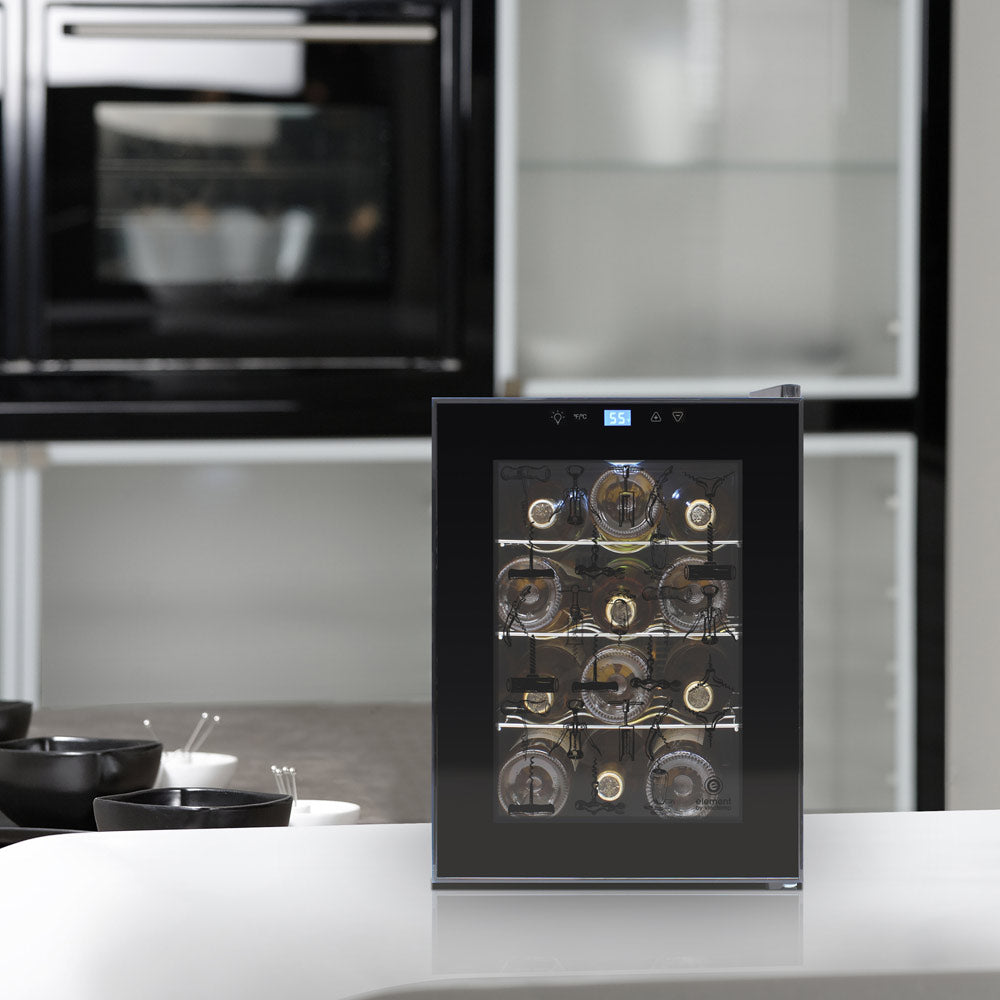

Wine coolers are often compact and user-friendly, making them ideal for beginners or casual wine drinkers. They focus primarily on maintaining a consistent serving temperature rather than creating a long-term aging environment.
Key characteristics of wine coolers include:
Simplified temperature controls
Smaller storage capacity
Designed for ready-to-drink wines
Often more affordable and energy-efficient
Wine coolers are a practical choice for those who enjoy convenience and accessibility without the need for precise environmental control.
Key Features of Wine Refrigerators
A wine refrigerator is engineered for more serious wine storage, including long-term aging. These units offer advanced control over temperature and internal conditions, closely mimicking the environment of a traditional wine cellar.
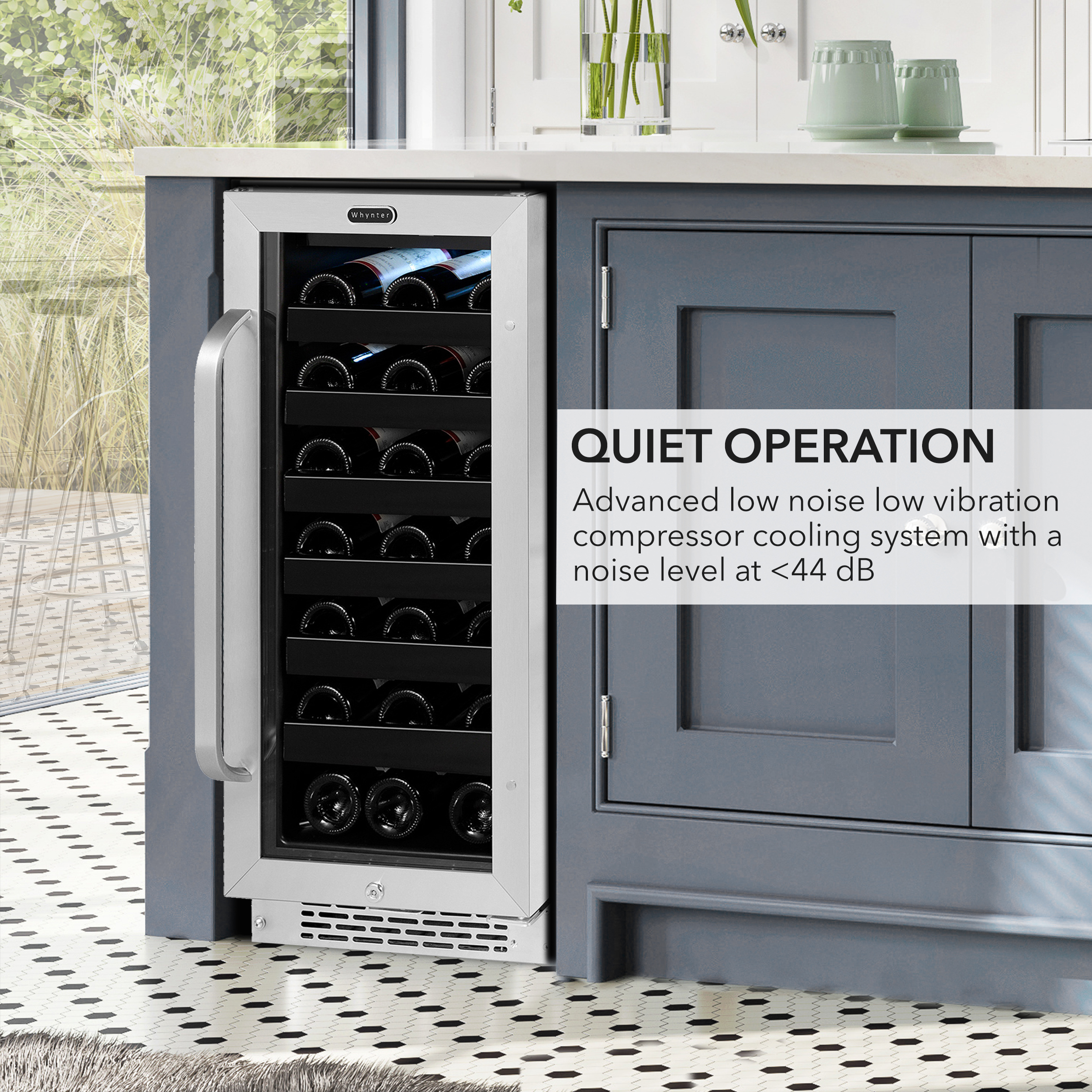

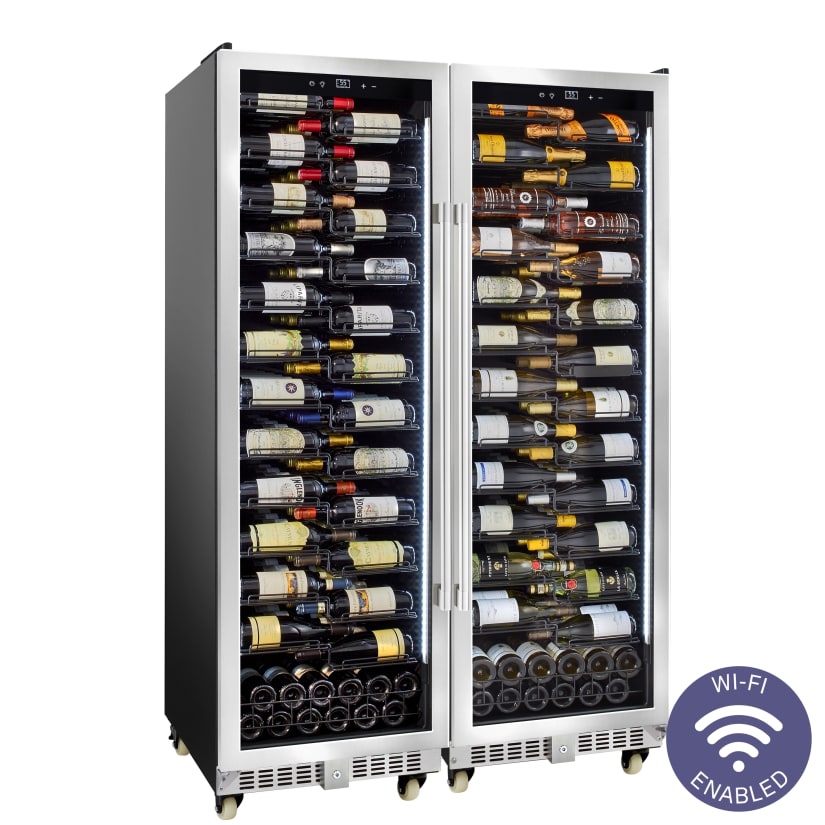
Wine refrigerators are commonly used by collectors, restaurants, wine bars, and hotels that require reliable preservation across multiple wine varieties.
Notable features of wine refrigerators include:
Precise temperature management
Dual-zone or multi-zone cooling options
Enhanced insulation and vibration control
Larger capacity for growing collections
These features make wine refrigerators a long-term investment for preserving wine at its best.
Performance Metrics
Temperature Stability
Temperature stability is one of the most important factors in wine storage. Fluctuations can cause wine to age prematurely or develop undesirable flavors.
Wine coolers generally maintain a steady temperature suitable for short-term storage and serving. However, they may experience slight fluctuations during frequent door openings or changes in room temperature.
Wine refrigerators excel in temperature stability. Advanced compressors, insulation, and airflow systems allow them to maintain consistent temperatures even in demanding environments. This stability is crucial for long-term aging and premium wine collections.
Humidity Control
Humidity plays a vital role in preserving cork integrity. If humidity is too low, corks can dry out and allow air into the bottle. Too much humidity, on the other hand, can cause mold growth.
Most wine coolers do not actively regulate humidity. They rely on ambient conditions, which is generally sufficient for short-term storage.
Wine refrigerators often include humidity-retention features or are designed to naturally maintain optimal humidity levels. This makes them far better suited for long-term storage and cellaring.
Design and Aesthetics
Wine Cooler Fridge Designs
Wine cooler fridge designs tend to prioritize compactness and visual appeal. Many models feature:
Glass doors for easy visibility
LED lighting for display purposes
Sleek, modern finishes
These design elements make wine coolers popular for kitchens, apartments, cafés, and entertainment spaces where aesthetics matter as much as functionality.
Customization Options for Wine Refrigerators
Wine refrigerators offer far more customization, especially for serious collectors and professional settings. Options often include:
Adjustable wooden or metal shelving
Built-in or undercounter installation
Dual or triple temperature zones
This level of customization allows wine refrigerators to integrate seamlessly into high-end kitchens, wine rooms, and commercial environments.
Common Misconceptions
Myth vs. Fact: Wine Coolers vs. Refrigerators
Myth: Wine coolers and wine refrigerators are exactly the same.
Fact: While they share a similar purpose, wine refrigerators offer more advanced environmental control and are better suited for long-term storage.
Myth: A regular refrigerator works just as well for wine.
Fact: Standard refrigerators are too cold and dry, which can damage wine over time.
Myth: Wine refrigerators are only for collectors.
Fact: They are also ideal for restaurants, wine bars, and anyone who wants consistent, professional-level wine storage.
Clarifying Wine Chiller Terminology
The term “wine chiller” is often used loosely in marketing. In many cases, it refers to a wine cooler rather than a full-featured wine refrigerator. Understanding the technical capabilities—such as temperature precision and humidity management—is far more important than the label itself.
Always evaluate a unit based on performance features rather than name alone.
Conclusion
Selecting the Right Option for Your Wine Collection
Choosing between a wine cooler and a wine refrigerator ultimately depends on how you enjoy and manage your wine.
A wine cooler is ideal if:
You drink wine regularly
You need storage for short-term use
Space and budget are limited
A wine refrigerator is the better choice if:
You collect or age wine
You store different wine types
You need precise temperature and humidity control
Understanding your consumption habits and long-term goals will guide you toward the right investment.
Future Trends in Wine Cooling Technology
Wine cooling technology continues to evolve. Future trends include:
Smarter temperature monitoring with digital controls
Improved energy efficiency and sustainability
Enhanced vibration reduction systems
Integration with smart home ecosystems
As these innovations become more accessible, both wine coolers and wine refrigerators will continue to improve in performance and design.
Final Thought:
Whether you choose a wine cooler or a wine refrigerator, proper wine storage is about respect for the craft behind every bottle. The right cooling solution ensures that each glass you pour delivers the flavor, aroma, and experience the winemaker intended.








