Precision defines the difference between a successful procedure and a complicated recovery. In the intricate world of medical instrumentation, certain tools are unsung heroes. They don't always get the spotlight of a scalpel or the dramatic flair of a retractor, but they are fundamental to atraumatic tissue handling. One such critical instrument is the surgical elevator. Whether used in dentistry, orthopedics, or spinal surgery, this tool provides the leverage and separation necessary for delicate operations.
At GreyMedical®, we understand that the quality of these instruments directly impacts patient outcomes. As a privately owned medical technology company dedicated to innovation and excellence in the craft of surgical instruments, we recognize that even the simplest tool must be engineered to perfection.
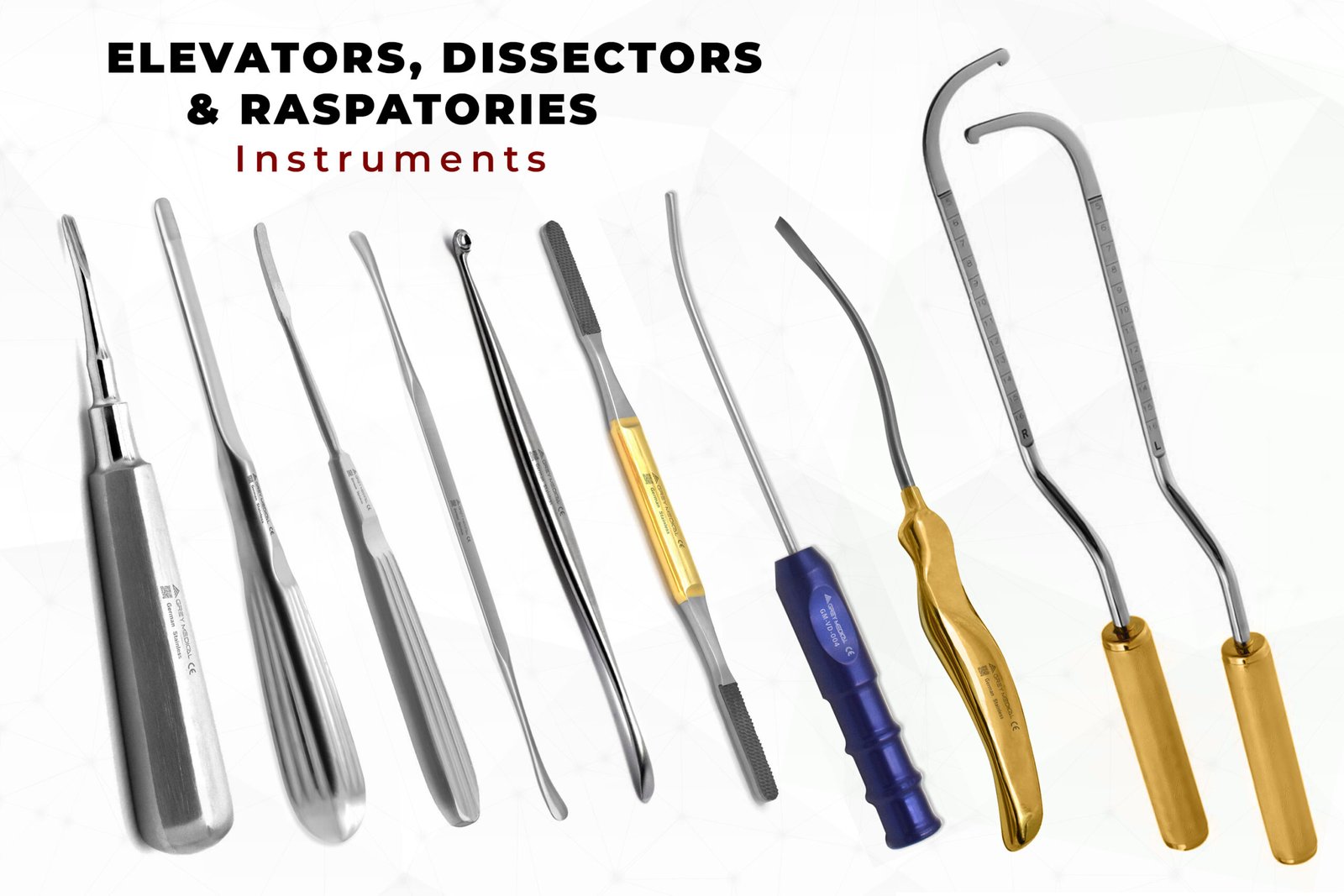
What is a Surgical Elevator?
A surgical elevator is an instrument used primarily to lift, separate, or retract tissue, bone, or teeth from surrounding structures. Unlike cutting instruments designed to sever tissue, elevators are designed to preserve it. They work on the principle of leverage. By inserting the tip into a tight space and applying controlled force, a surgeon can separate distinct anatomical layers without causing unnecessary trauma.
These instruments come in various shapes and sizes, each tailored for a specific anatomical challenge. Some feature curved tips for navigating around bone structures, while others have flat, broad blades for lifting periosteum—the dense membrane covering bones. The design is simple, yet the engineering behind it must be precise to prevent slippage or breakage during critical moments.
Key Applications in Modern Surgery
The versatility of this surgical instrument spans multiple disciplines. In oral surgery, it is indispensable for loosening teeth before extraction or raising gum tissue to expose the jawbone. In orthopedics, a surgical elevator is frequently used to clear soft tissue away from fracture sites, allowing surgeons a clear field of vision to set bones or place hardware.
Neurosurgeons and spinal surgeons also rely heavily on specific variations of these tools. When working near the spinal cord or delicate nerve roots, the ability to gently lift structures without cutting is paramount. This atraumatic approach reduces bleeding and swelling, which leads to faster recovery times for patients. GreyMedical® focuses on refining these specific designs, ensuring that the tactile feedback a surgeon receives from the instrument is accurate and reliable.
Choosing the Right Instrument for the Job
Selecting the correct tool is about more than just size; it is about grip, weight balance, and material durability. High-quality stainless steel is the standard, ensuring the instrument can withstand repeated sterilization without corroding or dulling.
When a surgeon reaches for a surgical elevator, they need to trust that it will perform as an extension of their hand. A poorly balanced instrument can lead to hand fatigue during long procedures, while a tip that isn't perfectly finished can damage delicate tissues. Innovation in this space involves ergonomic handle designs that improve grip security, as well as surface treatments that reduce glare under bright operating theater lights.
Conclusion
The success of a surgical procedure often relies on the subtle, preparatory work done before the main intervention. Lifting tissues, clearing bone surfaces, and separating layers requires tools that offer both strength and sensitivity. The surgical elevator remains a cornerstone of the surgical tray for this very reason. It embodies the balance between force and finesse.
GreyMedical® continues to push the boundaries of what is possible in instrument crafting. By committing to excellence and innovation, we ensure that every tool we produce supports the surgeon's skill and the patient's well-being.