Surgical procedures are intricate performances where the margin for error is nonexistent. Every movement counts, and the tools used by the surgeon are extensions of their own hands. The success of an operation relies heavily on the quality and design of these instruments. GreyMedical® understands this critical relationship between the surgeon and their equipment. As a privately owned medical technology company dedicated to innovation and excellence in the craft of surgical instruments, GreyMedical® ensures that medical professionals have access to tools that enhance precision and patient safety. Among the vast array of equipment found in an operating theater, the harrington retractor stands out as a vital component for deep tissue access and organ protection.
Distinctive Features and Design
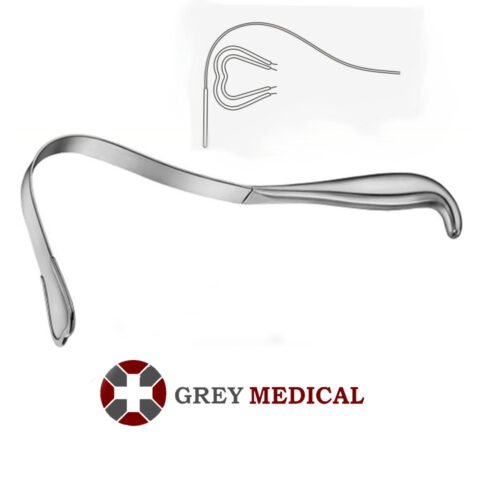
The design of this specific retractor is immediately recognizable to seasoned surgical staff. It is often affectionately referred to as the "Sweetheart" retractor due to the unique shape of its blade. The tip of the instrument is heart-shaped, a design choice that serves a highly functional purpose rather than an aesthetic one. This shape allows for a broader surface area to hold back tissues or organs without exerting excessive point pressure, which could cause trauma to delicate internal structures.
Constructed from high-grade surgical stainless steel, the medical instrument is built to withstand the rigors of sterilization and repeated use. The handle is typically designed with a grip that allows the surgical assistant to maintain a steady hold for extended periods. This ergonomic focus is crucial because the harrington retractor is often used in lengthy procedures where muscle fatigue can become a factor. The varying lengths of the shaft allow surgeons to select the appropriate size based on the depth of the surgical field and the patient's anatomy, ensuring versatility across different case types.
Clinical Applications and Benefits
The primary function of this retractor is to hold back tissues and organs to expose the surgical site deep within the abdominal or pelvic cavities. It is frequently utilized in cholecystectomies, liver resections, and other major abdominal surgeries. One of the most common uses is to gently lift and retract the liver to provide the surgeon with a clear view of the gallbladder or the hiatus. The heart-shaped blade cups the organ securely, reducing the risk of slippage that could obscure the surgeon's vision or damage the organ surface.
Visibility is paramount in surgery. By effectively displacing organs that would otherwise block the line of sight, the harrington retractor illuminates the operative field. This clarity allows the lead surgeon to work with greater confidence and speed. Furthermore, the protective nature of the blade's curvature minimizes the chance of laceration or bruising to the liver or intestines, which promotes faster post-operative recovery for the patient. The instrument effectively bridges the gap between aggressive retraction needed for visibility and the gentle handling required for tissue preservation.
Enhancing Surgical Outcomes
The right instrumentation does more than just assist; it elevates the standard of care. When a surgical team utilizes a high-quality harrington retractor, they are investing in the safety of the patient and the efficiency of the procedure. The reduction in tissue trauma translates to lower complication rates, while the improved visualization helps prevent surgical errors. GreyMedical® prioritizes these outcomes by manufacturing instruments that meet rigorous standards of durability and functionality.
Quality Instruments for Critical Care
In the high-stakes environment of the operating room, reliability is everything. Surgeons need to trust that their retractors will hold steady and that their forceps will grip securely. GreyMedical® remains committed to supporting the medical community by providing instruments that honor the complexity of the human body. The harrington retractor is a prime example of how thoughtful engineering and high-quality manufacturing come together to support life-saving procedures. By choosing superior tools, medical facilities ensure that their surgical teams are equipped to perform at their absolute best.