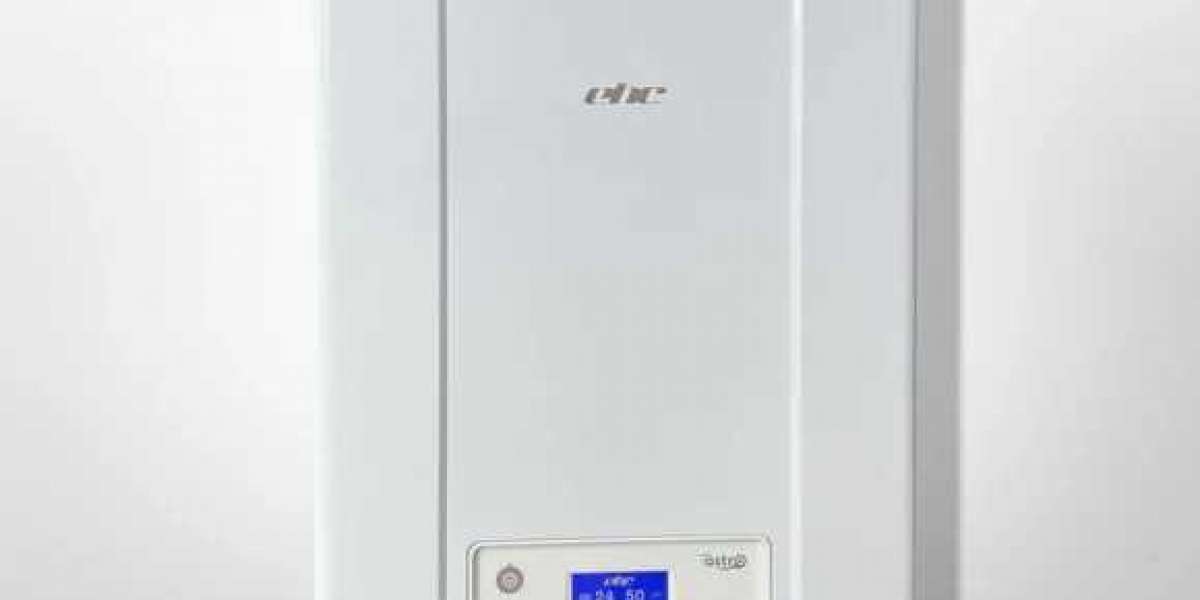

What is an Electric Combi Boiler?
An electric combi boiler is a compact unit that provides both heating and hot water directly from electricity, without the need for a separate hot water tank. Unlike traditional gas boilers, these systems rely solely on electrical energy to heat water on demand, making them ideal for homes where gas supply is limited or where greener, renewable energy use is preferred.
One of the standout features of electric combination boilers is their simplicity. With fewer moving parts and no flue, installation is generally easier and maintenance costs are lower compared to gas or oil boilers. Homeowners benefit from precise temperature control, quiet operation, and a consistent hot water supply. Furthermore, modern models often include digital controls and smart home integration, allowing for convenient scheduling and remote operation.
Understanding Hybrid Heating Systems
Hybrid heating systems combine two different energy sources to heat a home efficiently. Typically, this involves pairing a gas or oil boiler with a heat pump, allowing the system to switch between fuel types depending on energy costs and weather conditions. In some cases, hybrid systems may also integrate solar thermal panels or other renewable energy technologies.
The main advantage of a hybrid system is flexibility. During mild weather, the heat pump can provide heating using renewable electricity, reducing reliance on fossil fuels. When temperatures drop, the conventional boiler takes over to maintain optimal warmth. This combination can significantly reduce energy bills and carbon emissions while ensuring comfort year-round.
Efficiency and Environmental Impact
When comparing electric combination boilers to hybrid heating systems, efficiency is a key consideration. Electric boilers convert nearly all electrical energy into heat, achieving efficiency rates close to 100%. This makes them extremely effective at delivering hot water and heating without wasting energy. However, the environmental impact depends on the source of electricity. If your electricity comes from renewable sources like solar or wind, an electric combi boiler can offer a very low-carbon heating solution.
Hybrid systems, on the other hand, can offer impressive energy efficiency by intelligently switching between energy sources. By using a heat pump during mild conditions and a boiler during peak demand, a hybrid system can optimize energy use and reduce overall carbon emissions. However, their efficiency depends on the balance between electricity and gas consumption, as well as the technology of the heat pump itself.
Installation and Space Requirements
One major benefit of electric combination boilers is their compact size. Because they don’t require a flue, gas line, or separate hot water cylinder, they can easily fit into small kitchens, cupboards, or utility rooms. Installation is usually straightforward, and homeowners often find that it takes less time and cost compared to installing a hybrid system.
Hybrid heating systems are generally more complex. They require both a heat pump and a conventional boiler, along with additional piping and sometimes extra space for storage tanks. Installation may also involve electrical upgrades to support the heat pump. While these systems offer flexibility and efficiency in the long term, the initial installation can be more expensive and space-intensive compared to electric combination boilers.
Cost Considerations
The cost of installing and operating heating systems varies widely depending on the technology and home requirements. Electric combi boilers are typically more affordable upfront compared to hybrid systems, especially in smaller homes where hot water demand is moderate. Running costs are influenced by electricity prices, which can be higher than gas in some regions, but the simplicity and low maintenance needs can offset long-term costs.
Hybrid systems have higher initial installation costs due to the complexity and the combination of technologies involved. However, the ability to use renewable energy efficiently and switch to a conventional boiler when needed can lead to significant energy savings over time. For homeowners concerned with long-term efficiency and sustainability, hybrid systems can be a worthwhile investment.
Reliability and Maintenance
When it comes to reliability, electric combination boilers have a strong advantage. With fewer moving parts, no flue, and no gas supply, there is less that can go wrong. Maintenance is generally simple, often limited to annual inspections and basic checks. This reliability is particularly appealing to those seeking hassle-free operation.
Hybrid systems, while efficient, are more complex and may require regular servicing to ensure that both the heat pump and the conventional boiler operate optimally. Components like compressors in heat pumps may require more frequent attention. Despite this, when properly maintained, hybrid systems can offer long-lasting performance and consistent comfort.
Choosing the Right System for Your Home
Selecting between electric combination boilers and hybrid heating systems ultimately depends on your home’s needs, budget, and priorities. If you value simplicity, compact design, and low maintenance, an electric combi boiler is often the ideal choice. It’s particularly well-suited for smaller homes or homes without access to a gas supply, and it pairs well with renewable electricity sources.
If energy efficiency, flexibility, and long-term cost savings are your top priorities, a hybrid heating system may be the better option. Larger homes or properties in regions with fluctuating energy costs may benefit from the hybrid approach, which optimizes the use of renewable energy while ensuring reliable heating during colder months.
Conclusion
Both electric combination boilers and hybrid heating systems offer distinct advantages for modern homeowners. Electric combi boilers are compact, reliable, and simple to operate, providing nearly 100% efficiency and easy installation. Hybrid systems, meanwhile, offer flexibility, optimized energy use, and the potential for lower carbon emissions when managed correctly. By carefully considering your home’s size, energy supply, and long-term goals, you can choose the heating solution that best meets your needs while supporting a more sustainable future.