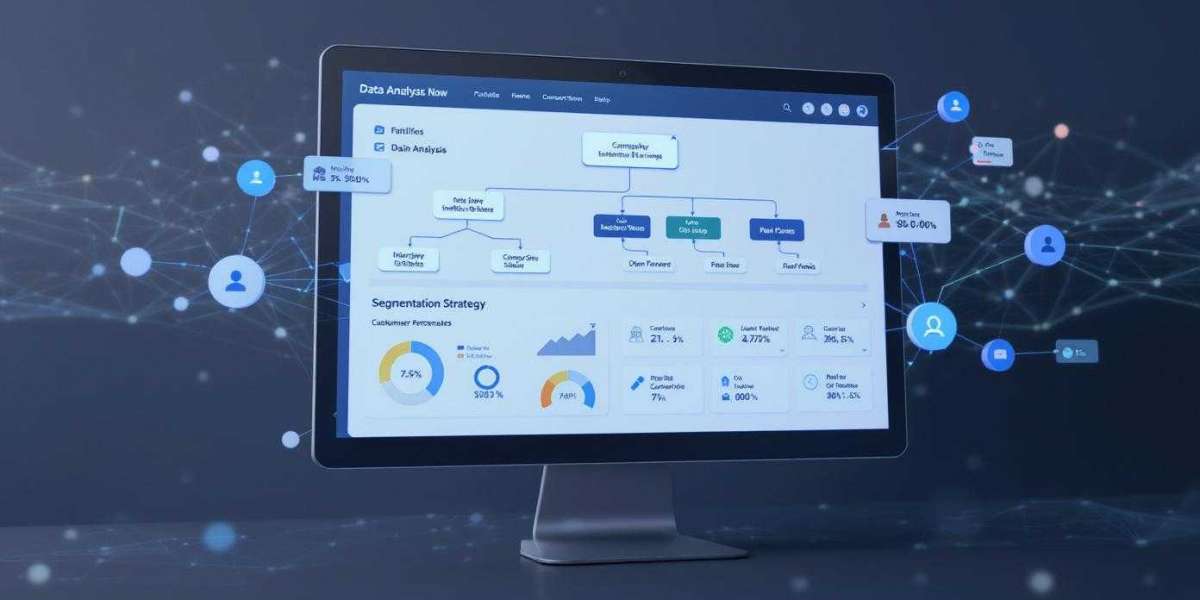

Successful B2B strategies begin with clarity about who to target and why. As data sources expand, segmentation has moved beyond basic classifications into a more actionable discipline. B2B Market Segmentation now combines firmographics, behavioral insights, and intent intelligence to help organizations prioritize accounts with precision. Understanding how these data layers work together is essential for building effective and scalable go-to-market strategies.
The Foundation of Firmographic Segmentation
Firmographic data forms the starting point for most segmentation models. Attributes such as industry, company size, revenue range, and geographic location provide structural context about an organization. B2B Market Segmentation uses firmographics to establish baseline eligibility and ensure alignment with ideal customer profiles. While firmographic insights alone are not sufficient, they help narrow the market and eliminate low-fit accounts early in the targeting process.
Moving Beyond Static Audience Definitions
Relying only on firmographics often results in static segmentation that fails to capture real buying readiness. Two companies within the same industry and size bracket may have entirely different priorities and timelines. B2B Market Segmentation has evolved to address this gap by incorporating additional data signals that reflect how organizations behave and engage. This shift allows teams to adapt targeting strategies as market conditions and buyer needs change.
Understanding Behavioral Data in Segmentation
Behavioral data reveals how prospects interact with marketing assets, digital platforms, and outreach efforts. Content downloads, webinar attendance, and website engagement all signal interest levels. B2B Market Segmentation uses these behaviors to distinguish passive audiences from actively engaged accounts. This layer of insight helps marketing teams tailor messaging and timing to match audience readiness rather than relying on assumptions.
The Role of Technographic Insights
Technographic data adds another dimension by identifying the technologies and platforms a company uses. Understanding an organization’s tech stack can highlight compatibility, integration opportunities, and potential pain points. B2B Market Segmentation leverages technographics to refine targeting, especially for solutions that depend on specific infrastructure or digital maturity. This insight improves relevance and reduces friction during sales conversations.
Intent Data as a Game Changer
Intent data represents one of the most impactful advancements in modern segmentation. It captures signals that indicate active research and buying interest across digital channels. B2B Market Segmentation uses intent data to identify accounts that are already exploring solutions related to specific business challenges. This capability shifts outreach from reactive to proactive and allows teams to engage prospects at the moment of highest interest.
Combining Data Layers for Practical Segmentation
The true power of segmentation lies in combining multiple data layers into a cohesive framework. Firmographics define who fits, behavioral data shows who is engaged, technographics indicate readiness, and intent data reveals urgency. B2B Market Segmentation integrates these insights to create prioritized segments that guide campaign planning and sales execution. This practical approach ensures that targeting decisions are based on evidence rather than intuition.
Applying Segmentation to Go-To-Market Execution
Segmentation insights must translate into action to deliver value. B2B Market Segmentation supports go-to-market execution by informing campaign design, channel selection, and messaging strategy. Marketing teams can create segment-specific narratives, while sales teams receive clear guidance on which accounts to pursue first. This alignment improves efficiency and accelerates pipeline development.
Improving Sales Conversations with Segmentation Insights
Sales effectiveness depends heavily on relevance and timing. Segmentation equips sales teams with contextual knowledge about an account’s challenges and interests. B2B Market Segmentation helps sales representatives approach conversations with insight rather than generic pitches. This leads to stronger engagement, increased trust, and higher conversion rates across complex buying cycles.
Measuring and Refining Segmentation Performance
Segmentation should evolve based on performance data. Metrics such as engagement rates, pipeline contribution, and deal velocity help assess which segments are delivering value. B2B Market Segmentation supports continuous improvement by enabling teams to refine criteria and adjust priorities over time. Regular evaluation ensures that segmentation remains aligned with business goals and market realities.
Common Pitfalls in Data-Driven Segmentation
Despite its advantages, data-driven segmentation can present challenges. Inconsistent data quality, over-segmentation, and lack of coordination across teams can reduce effectiveness. B2B Market Segmentation works best when supported by standardized definitions and shared accountability. Addressing these pitfalls early helps organizations avoid fragmentation and maintain focus.
Scaling Segmentation Across the Revenue Funnel
As organizations grow, segmentation must support every stage of the revenue funnel. From awareness and acquisition to retention and expansion, B2B Market Segmentation provides insights that guide engagement strategies throughout the customer lifecycle. This continuity ensures that messaging remains consistent and relevant long after the initial sale.
Important Practical Insights for Using Firmographics and Intent Data Together
To maximize impact, organizations should treat segmentation as an ongoing discipline rather than a one-time project. Regular data enrichment, alignment between teams, and integration into daily workflows strengthen outcomes. When firmographics and intent data are used together within B2B Market Segmentation, businesses gain a clearer view of where opportunity exists and how to engage with precision and confidence.
At Acceligize, we empower entrepreneurs, small businesses, and professionals with cutting-edge insights, strategies, and tools to fuel growth. Driven by a passion for clarity and impact, our expert team curates’ actionable content in business development, marketing, operations, and emerging trends. We believe in making complex ideas simple, helping you turn challenges into opportunities. Whether you’re scaling, pivoting, or launching a new, Acceligize offers the guidance and resources to navigate today’s dynamic marketplace. Your success is our commitment, because when you thrive, we thrive together.








