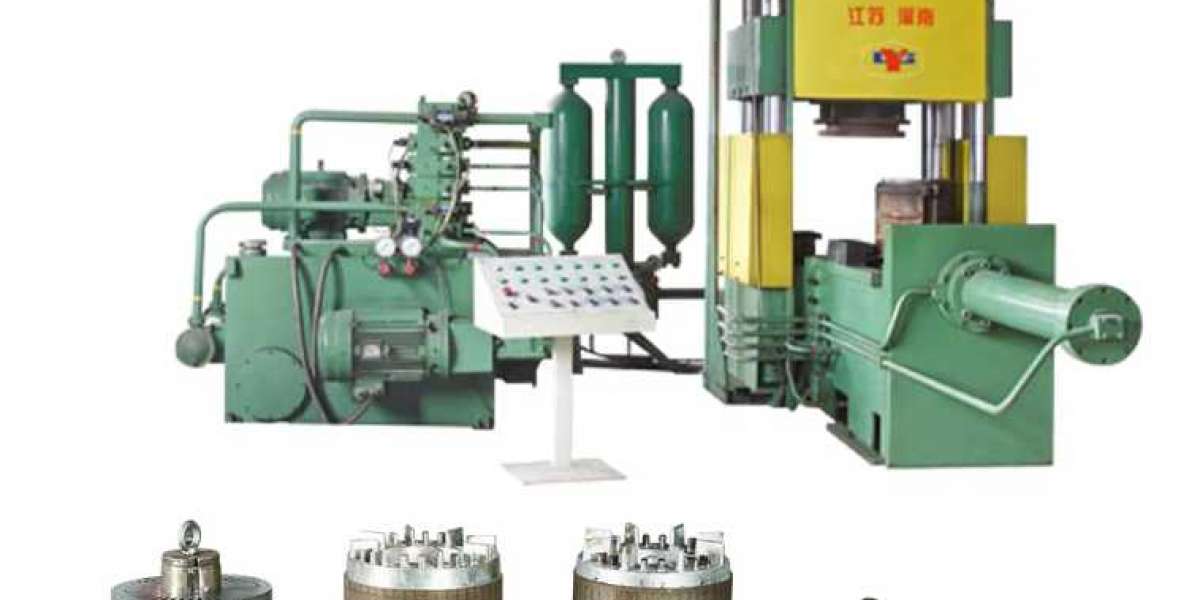

Understanding Gravity Casting Machines
Gravity casting machines utilize the force of gravity to fill a mold with molten metal, making them a preferred choice for producing high-quality metal parts. When selecting a gravity casting machine, it’s important to understand the various types available and their respective advantages. The right machine can significantly enhance the efficiency of your production process and improve the overall quality of your castings.
One of the foremost considerations when selecting a gravity casting machine is the quality and precision it offers. High-quality machines are designed to minimize defects and ensure uniformity in the cast products. Look for machines that incorporate advanced technology and features such as automated controls, which can help maintain consistent pouring rates and temperatures. Investing in a high-precision gravity casting machine not only boosts production efficiency but also reduces scrap rates, ultimately saving costs.
Another critical factor to consider is the production capacity of the gravity casting machine. Assess your manufacturing needs to determine the volume of parts you need to produce. Machines come in various sizes and capacities; selecting one that aligns with your production goals is essential. A machine with a higher capacity may be more suitable for large-scale operations, while smaller machines might be ideal for niche production. Ensuring that the machine can handle your expected workload will prevent bottlenecks in your production line.
The type of materials you plan to cast is also a vital consideration. Different gravity casting machines are optimized for various metals, such as aluminum, zinc, or magnesium. Ensure that the machine you select is compatible with the materials you intend to use. This compatibility will not only enhance the quality of your castings but also extend the lifespan of the machine itself, as it will operate more efficiently under the correct conditions.
While it’s tempting to opt for the most affordable gravity casting machine, it’s essential to consider the long-term return on investment (ROI). Evaluate the total cost of ownership, including maintenance, energy consumption, and potential downtime. A slightly higher initial investment in a reliable, high-performance machine can lead to significant savings over time through reduced operational costs and increased production efficiency. Always weigh the upfront costs against the potential benefits to make the best financial decision for your business.
Lastly, consider the level of technical support and service offered by the manufacturer of the gravity casting machine. A reputable supplier should provide comprehensive after-sales support, including installation, training, and maintenance services. Establishing a good relationship with your machine supplier can ensure that you receive timely assistance when needed, minimizing downtime and keeping your production running smoothly.
In conclusion, selecting the right gravity casting machine involves careful consideration of several factors, including quality, production capacity, material compatibility, cost, and technical support. By taking the time to evaluate these aspects, you can ensure that you choose a machine that not only meets your immediate production needs but also supports your long-term business goals.