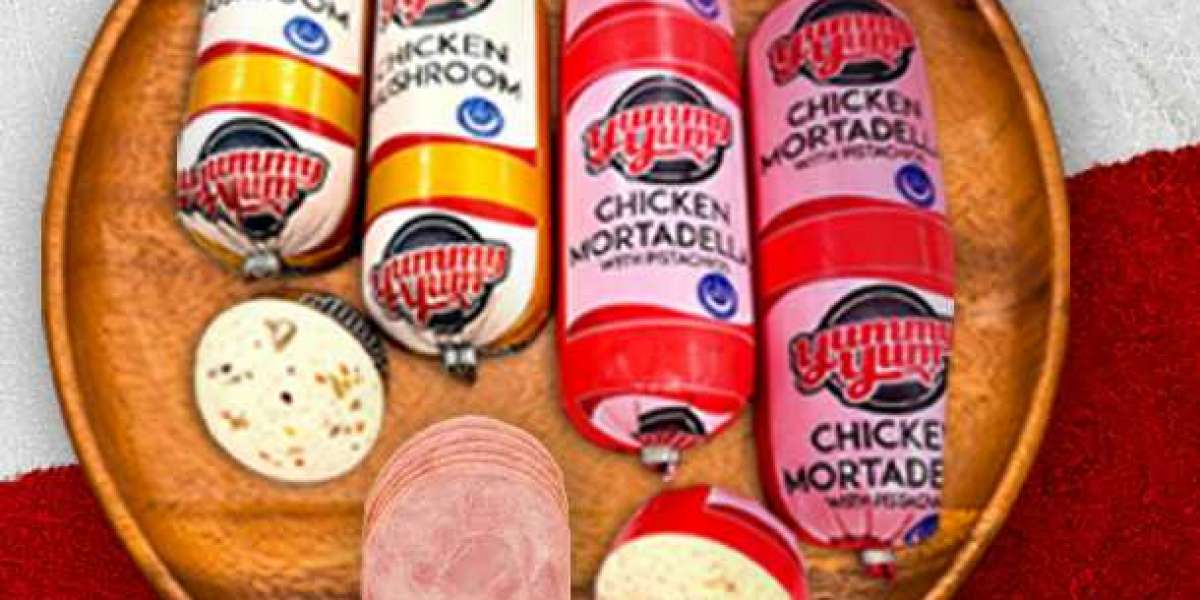

When standing in the supermarket aisle, many Muslims pause and ask: Is mortadella halal in every Islamic school of thought? While the packaging may say “halal certified,” differences in interpretation between madhhabs (Islamic legal schools) sometimes create confusion. For families trying to ensure their food complies with Islamic dietary law, understanding whether mortadella halal products are universally accepted is essential.
In this in-depth guide, we will explore how Islamic jurisprudence views processed meats like beef mortadella and chicken mortadella, examine the role of halal certification, and clarify whether halal deli meat such as halal beef mortadella is permissible across major schools of thought. We will also discuss how trusted brands like Yummy Yum Food maintain compliance with Islamic guidelines.
Understanding Mortadella Halal in Islamic Dietary Law
To determine whether mortadella halal is allowed across all Islamic schools of thought, we must first understand the foundational principles of halal food. In Islam, food is considered halal if:
- The animal is lawful (e.g., cow or chicken, not pork)
- It is slaughtered according to Islamic guidelines (zabiha)
- No haram ingredients (such as alcohol or pork derivatives) are added
Traditional mortadella originates from Italy and is typically made from pork. However, modern beef mortadella and chicken mortadella versions are produced specifically for Muslim consumers using halal-certified meat and ingredients.
The key question is not the name “mortadella,” but rather the ingredients and method of preparation.
Overview of the Major Islamic Schools of Thought
Sunni Islam recognizes four primary schools of jurisprudence (madhhabs): Hanafi, Shafi’i, Maliki, and Hanbali. While they share the same Qur’an and Sunnah, they may differ slightly in interpretation regarding food laws.
Hanafi School
The Hanafi school emphasizes strict adherence to proper slaughter and avoidance of doubtful (mashbooh) ingredients. For mortadella halal products to be permissible, the slaughter must be performed by a Muslim (or according to accepted People of the Book criteria) and must follow zabiha standards. Additives such as gelatin must also be halal-certified.
Shafi’i School
The Shafi’i madhhab places strong emphasis on slaughter method and the absence of contamination. If halal beef mortadella is certified and free from cross-contamination with pork, it is considered permissible.
Maliki School
The Maliki school generally accepts meat slaughtered by People of the Book, provided no explicit violation of Islamic principles occurs. Therefore, properly prepared halal deli meat that meets ingredient standards is acceptable.
Hanbali School
Similar to other schools, the Hanbali view requires lawful animal sources and proper slaughter. Certified mortadella halal products meeting these criteria are considered permissible.
Across all four schools, the consensus remains consistent: the determining factor is compliance with halal guidelines, not the type of processed meat itself.
Ingredients: The Deciding Factor
When evaluating whether mortadella halal is allowed, ingredients matter more than branding. Key components to review include:
- Meat source (beef or chicken, never pork)
- Fat source (must also be halal)
- Spices and preservatives (no alcohol-based flavorings)
Modern manufacturers of halal beef mortadella carefully avoid haram additives. Trusted brands like Yummy Yum Food ensure transparent labeling and certification, which reduces uncertainty for consumers.
It’s also important to verify that no pork-derived gelatin or enzymes are used during processing.
Is Processed Meat Permissible in Islam?
Some people mistakenly believe that processed meat itself is questionable. However, Islamic law does not prohibit processing methods such as grinding, seasoning, or curing, as long as the ingredients remain halal.
Therefore, beef mortadella and chicken mortadella are permissible if:
- The animal was slaughtered Islamically
- The processing facility prevents cross-contamination
- The ingredients meet halal certification standards
Processing does not automatically make meat haram.
Differences in Interpretation and Modern Certification
Although the core principles remain unified, small differences may arise regarding slaughter practices in non-Muslim countries. Some scholars debate mechanical slaughter or stunning methods before slaughter.
However, reputable halal certification bodies review:
- Slaughter procedures
- Facility hygiene
- Ingredient sourcing
This ensures that mortadella halal products meet Islamic requirements regardless of madhhab. For consumers, recognized certification logos simplify decision-making.
Common Misconceptions About Mortadella Halal
Several myths cause confusion among consumers:
Myth 1: Mortadella is always haram because it originated from pork recipes.
Reality: Modern halal versions use beef or chicken and comply with Islamic law.
Myth 2: Processed halal deli meat is questionable in stricter schools.
Reality: All four Sunni schools permit lawful meat prepared correctly.
Myth 3: Certification differences mean disagreement between madhhabs.
Reality: Differences usually relate to slaughter details, not the product category itself.
Understanding these clarifications helps Muslims make confident purchasing decisions.
The Role of Trusted Brands
Reputable producers of halal beef mortadella invest in proper slaughter supervision, ingredient transparency, and facility cleanliness. Brands like yummy yum food emphasize halal integrity, ensuring their products align with Islamic dietary standards.
Consumers should always check for:
- Official halal certification
- Clear ingredient lists
- Absence of pork or alcohol derivatives
By doing so, they minimize doubts and maintain religious compliance.
Health vs Halal: Separate Considerations
It’s important to distinguish between halal compliance and health considerations. While mortadella halal may contain sodium and fat typical of deli meats, these nutritional factors do not affect its permissibility under Islamic law.
Islamic dietary rulings focus on lawful ingredients and slaughter practices, not calorie count. However, moderation remains encouraged in all aspects of consumption.
Practical Guidance for Muslim Consumers
If you are unsure whether a specific halal deli meat product aligns with your madhhab, consider these practical steps:
- Verify recognized halal certification.
- Research the certifying authority’s standards.
- Consult a local scholar if uncertainties remain.
In most cases, certified chicken mortadella or beef mortadella products available in Muslim markets meet consensus halal standards.
Global Perspective on Mortadella Halal
Today, halal-certified food production has expanded worldwide. Countries with significant Muslim populations ensure strict oversight of halal meat processing. This global standardization reduces madhhab-based differences and creates broader consensus on processed meats like halal beef mortadella.
As international trade grows, reputable producers adapt to meet unified halal standards accepted across Islamic communities.
Conclusion
The short answer is yes mortadella halal products are permissible in all major Islamic schools of thought as long as they meet halal requirements regarding slaughter, ingredients, and processing. The differences between Hanafi, Shafi’i, Maliki, and Hanbali interpretations do not prohibit properly certified beef mortadella or chicken mortadella.
The key lies in verification and trust. Choose reliable brands like Yummy Yum Food, check certification labels, and ensure ingredient transparency.








