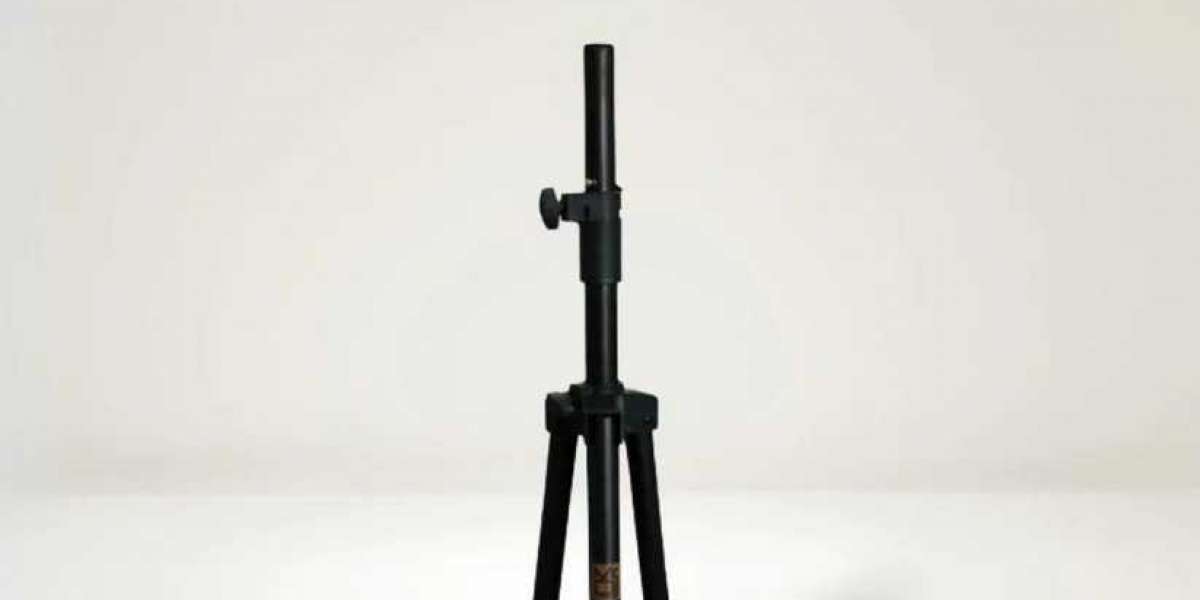

Are you confused about whether you need a DJ light stand or a standard lighting stand for your event setup? Many DJs and event organizers assume they’re the same, only to discover compatibility issues, stability problems, or limited mounting options during a live performance. Choosing the wrong stand can affect not only your DJ LED lights but also the overall safety and professional appearance of your setup.
In this detailed guide, we’ll break down the real differences between a dj light stand and a traditional lighting stand, explore when to use each, and explain how they integrate with portable dj speakers, a dj microphone, and other essential event gear.
What Is a DJ Light Stand?
A dj light stand is specifically designed for DJs who need a compact, portable solution to mount multiple lighting fixtures quickly and safely. These stands are typically part of a mobile DJ setup and are engineered for easy transport, fast assembly, and reliable support for lightweight to mid-weight dj led lights.
Unlike generic stands, DJ-specific models often include a horizontal T-bar that allows mounting multiple dj light fixtures evenly. This balanced distribution helps create symmetrical lighting effects across dance floors and stages.
Because DJs frequently perform at weddings, parties, and corporate events, portability and speed are critical. Most DJ light stands are collapsible and lightweight, making them ideal companions to portable dj speakers and mixers.
What Is a Lighting Stand?
A lighting stand is a broader category of support equipment used in photography, stage production, film sets, and large-scale events. While it can hold lights, it may not be optimized for DJ-specific fixtures or quick transitions between venues.
Lighting stands often prioritize heavy-duty construction and higher weight capacity. They’re designed to support larger spotlights, stage wash lights, or even studio equipment. These stands may not include a T-bar by default and often require additional mounting accessories.
In professional stage productions, a lighting stand can handle heavier gear than a typical dj light stand, but it may lack the convenience features DJs rely on for mobile events.
DJ Light Stand vs Lighting Stand: Key Differences
Understanding the practical differences can prevent costly mistakes and setup delays.
1. Design and Structure
A DJ light stand usually includes a built-in T-bar for mounting multiple dj led lights. It is optimized for balanced, symmetrical lighting patterns across smaller venues.
A traditional lighting stand may consist of a single vertical pole with mounting points, requiring extra hardware for multiple fixtures. It’s often more modular but less plug-and-play for DJs.
2. Weight Capacity
Lighting stands generally support heavier loads, making them suitable for theatrical lights and professional production gear.
DJ light stands, while durable, are designed primarily for LED fixtures and lighter moving-head lights. If you’re using compact dj light units, a DJ-specific stand is more practical.
3. Portability and Setup Time
Mobile DJs value speed. A dj light stand can typically be assembled in minutes and transported alongside portable dj speakers without extra cases.
Lighting stands may require more time to assemble and disassemble, making them better suited for fixed installations or large events with extended setup windows.
How Lighting Choices Affect Your DJ Setup
Lighting plays a central role in shaping audience experience. Whether you’re performing at a wedding or club-style party, combining the right stand with high-quality dj led lights enhances visual impact and professionalism.
A stable stand prevents wobbling and uneven beam angles. This stability becomes even more important when positioning lights near a Microphone for DJing, as vibrations or instability can cause unwanted noise or distractions.
Compatibility with Other DJ Equipment
When building a complete DJ setup, equipment synergy matters. Your stand should integrate seamlessly with:
- Portable dj speakers placed on speaker poles or tripods
- A reliable dj microphone for announcements and MC performances
- Compact controllers and mixers arranged in tight booth spaces
A dj light stand is often designed to match the aesthetic and height of DJ speaker stands, creating a cohesive and professional stage appearance. Lighting stands used in film or photography settings may not visually complement a DJ booth.
Indoor vs Outdoor Use Considerations
Venue type heavily influences your choice.
Indoor Events
For indoor weddings, birthday parties, and corporate gatherings, a dj light stand provides sufficient support for LED fixtures and smaller moving lights. The lightweight design allows quick repositioning if needed. Indoor venues often have limited space, so compact stands are preferable.
Outdoor Events
Outdoor setups introduce wind and uneven surfaces. In such cases, stability becomes critical. A heavier-duty lighting stand with reinforced legs may provide extra security.
However, if you’re using lightweight dj led lights, a properly weighted DJ stand with sandbags can also perform reliably outdoors.
Safety and Stability Factors
Regardless of type, stability should be your top priority. Improperly secured stands can tip over, risking equipment damage and safety hazards.
Consider these important safety elements:
- Wide tripod base for balance
- Adjustable height locking mechanisms
- Weight distribution across mounted fixtures
Whether you choose a dj light stand or a general lighting stand, always ensure it matches the total weight of your equipment.
Cost Differences
DJ light stands are typically more affordable due to their specialized, lightweight design. Lighting stands built for studio or stage use often cost more because of higher weight capacities and reinforced construction.
If your primary use involves mobile DJ gigs with portable dj speakers and LED lighting, investing in a DJ-specific stand offers better value and efficiency.
Common Mistakes DJs Make
Many beginners overlook important factors when choosing between a DJ light stand and a lighting stand.
- Selecting a stand without checking weight capacity
- Ignoring portability needs for mobile events
- Choosing heavy production stands for small party setups
Avoiding these mistakes ensures smoother performances and safer equipment handling.
When Should You Choose a DJ Light Stand?
A DJ light stand is ideal when:
- You perform mobile events regularly
- You use lightweight dj led lights
- Quick setup and teardown are essential
It provides the convenience and compatibility most DJs need.
When Is a Lighting Stand the Better Option?
Choose a lighting stand if:
- You support heavy stage lighting equipment
- Your events are large-scale productions
- You require modular mounting flexibility
For permanent installations or professional stage shows, lighting stands offer greater structural strength.
Building a Complete Professional Setup
Your lighting stand choice should complement your entire system. Pairing a sturdy stand with high-quality dj led lights, balanced with Portable DJ speakers, and supported by a dependable microphone for djing, creates a seamless and professional event atmosphere.
Visual presentation matters as much as sound quality. A stable and well-positioned stand enhances audience perception and builds trust in your services.
Conclusion
The difference between a dj light stand and a traditional lighting stand comes down to purpose, portability, and weight capacity. DJs who prioritize mobility, fast setup, and compatibility with LED fixtures will benefit most from a DJ-specific stand. Meanwhile, large-scale productions requiring heavier equipment may demand the strength of a professional lighting stand.
Before making your decision, evaluate your event types, lighting equipment weight, and transportation needs. Choosing the right stand ensures safety, efficiency, and a polished appearance. Ready to upgrade your DJ setup? Assess your lighting requirements today and invest in a stand that enhances both performance and professionalism.